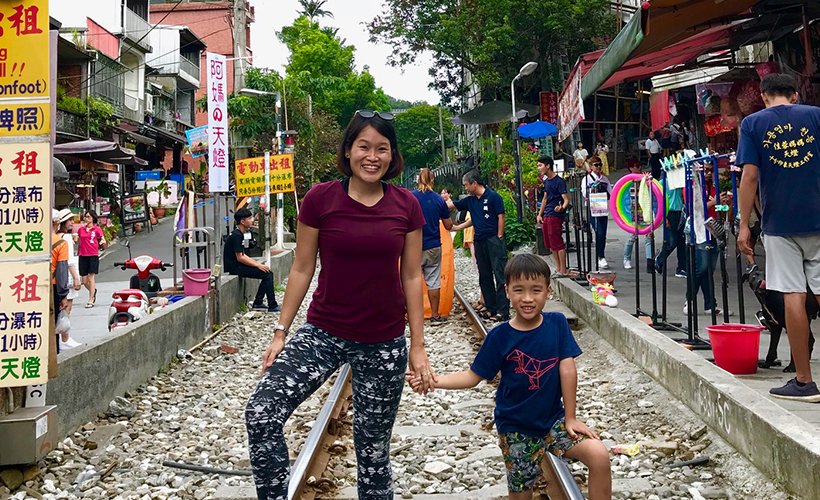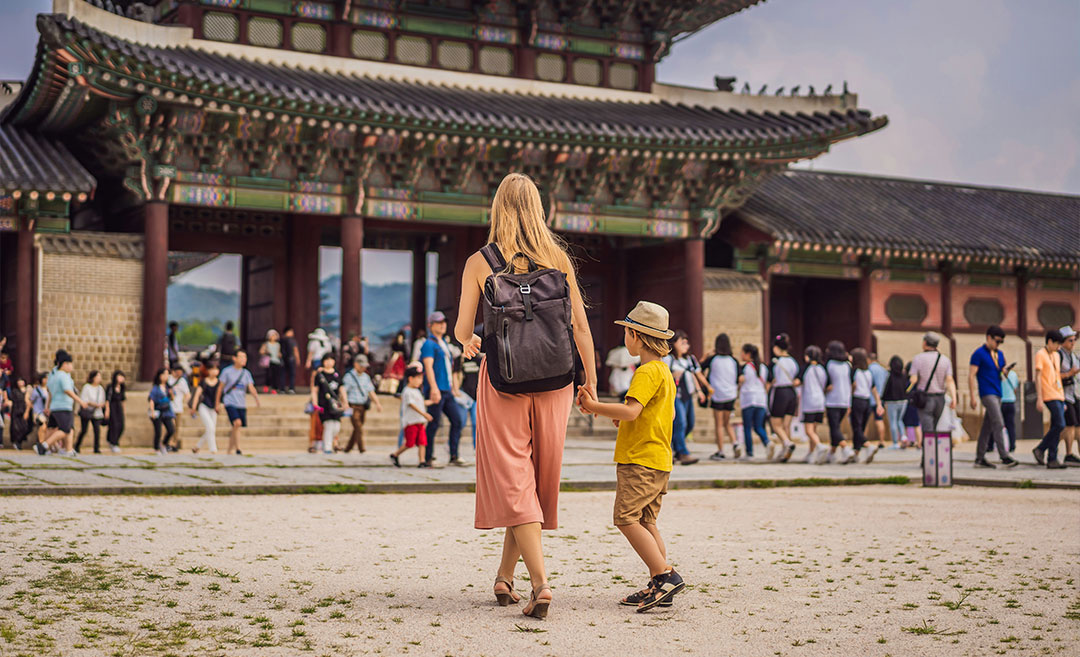
Travel documentaries can help children understand cultures, build empathy, and develop curiosity about the world before they experience it themselves. (Image by Getty Images)
Children first learn about the world in the comfort of their own homes. A sense of wonder and fear can be formed well before they’ve ever experienced travelling themselves. Building a love for travel that goes deeper than surface-level experiences requires cultural context, global awareness, exciting stories, and visuals depicting what places really look like outside our 9:16 pocket screens.
In an age when so much of what children see about the world is filtered through short-form social media, documentaries can offer a different kind of window into it. We believe that documentaries can open up an entire world of curiosity, imagination, and conversations for young people as they begin to discover different cultures, places, people, and all that comes with travel.
1. Travel documentaries open children’s minds to cultures beyond their own

The way a child engages with the world is often primed long before they step into it. Documentaries are a portal to different cultures, languages, lifestyles, and traditions. We’re exposed to landscapes different from our own, foods we’ve never heard of, and ways of dressing that spark curiosity within us.
Travel documentary series are an easy entry into non-fiction television for children. Often paired with a knowledgeable host and entertaining episodes, younger audiences may find themselves drawn to the storytelling and cinematically captured destinations. That exposure can create an interest in visiting these places even at a young age.
2. Travel documentaries show children different ways of living and working
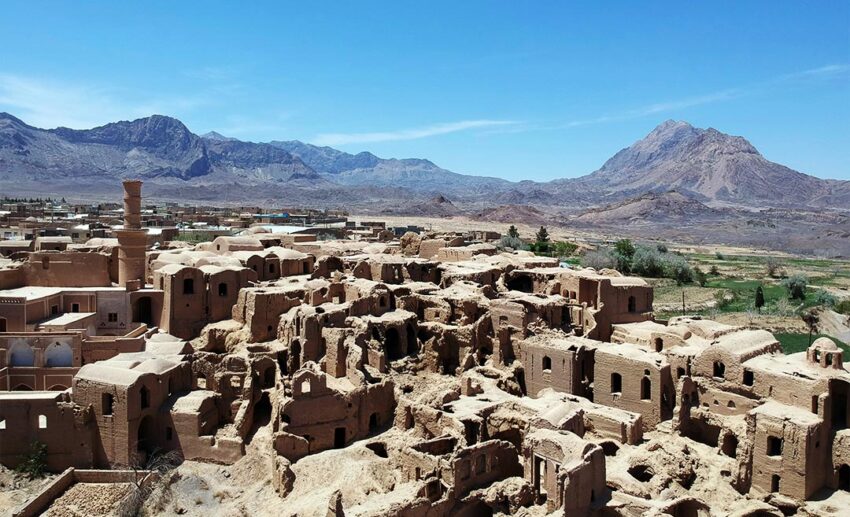
Not everyone grows up with opportunities to travel and see the world. When you’re used to having only been in one place all your life, it can be hard to imagine that a whole world of possibilities exists outside of where you live.
Joanna Lumley’s Silk Road Adventure, for example, combines travel with history, architecture, culture, and exploration, encouraging us to be active participants in the world and not just spectators of it. Documentaries can introduce children to jobs we never knew people had, places we didn’t know people lived and worked, and experiences we can be a part of. That plants a seed in young minds and opens the door to something interesting to work towards and aspire to as they grow.
3. Seeing other cultures can build empathy, respect, and openness

So much of who our children become is modelled after our own way of being and our emotional and situational awareness. Learning how to have patience, treat people with respect, and be of service happens not only through examples we display but through stories and images we expose them to.
Documentaries can tackle deeper subjects that we might not deal with on a day-to-day basis. Watching a travel host attempt to form a conversation with someone whose language they do not speak or gracefully try unfamiliar foods can be a formative example of how we are meant to treat others. Seeing that our differences make us interesting inspires courage to try new things and helps children keep an open mind when learning about other parts of the world.
4. Stories of adventure can encourage resilience and confidence
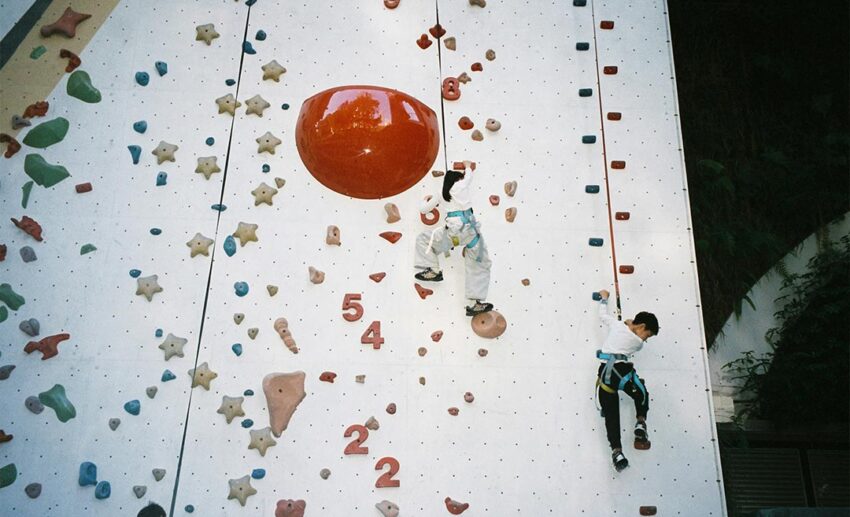
So much of travel requires quickly adapting to unfamiliar environments and solving problems we don’t always see coming. For children growing up in a time where the world seems to be changing rapidly, documentaries can show them that they are capable of far more than they are willing to believe.
I’d recommend watching The Last of the Sea Women and Mountain Queen: The Summits of Lhakpa Sherpa, particularly if you are raising adventurous young girls with a deep love for the earth. The women featured in these documentaries redefine what it means to be a woman, show how powerful our choices can be, and demonstrate that we can each have a purpose greater than ourselves.
5. Nature documentaries teach children to appreciate and care for the planet
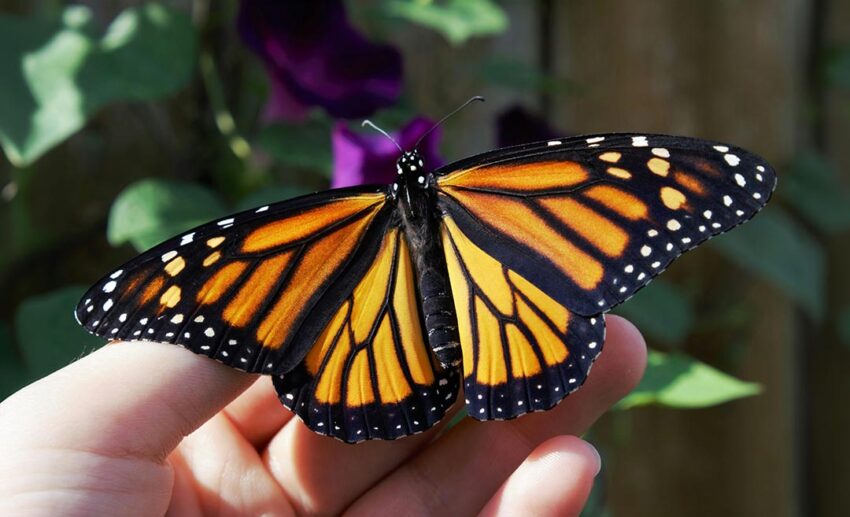
One of my favourite things to watch with kids are nature-based documentaries. These days, a lot of the documentaries are filmed so well, it is like watching a movie. Narrated by familiar and beloved voices like Sir David Attenborough in Our Planet, there’s no reason why family members of all ages would not enjoy tuning in.
As our cities grow and our towns make room for more roads, cars, and buildings, we’re becoming less in touch with the natural world around us. But its beauty and significance cannot be denied. These documentaries teach us how to care for living creatures small and large, how the oceans and forests are part of this planet’s life force, and why it matters that we nurture them. They’re a fun way to educate as well as inspire a young generation of travellers.
6. Documentaries can help children explore family heritage and belonging
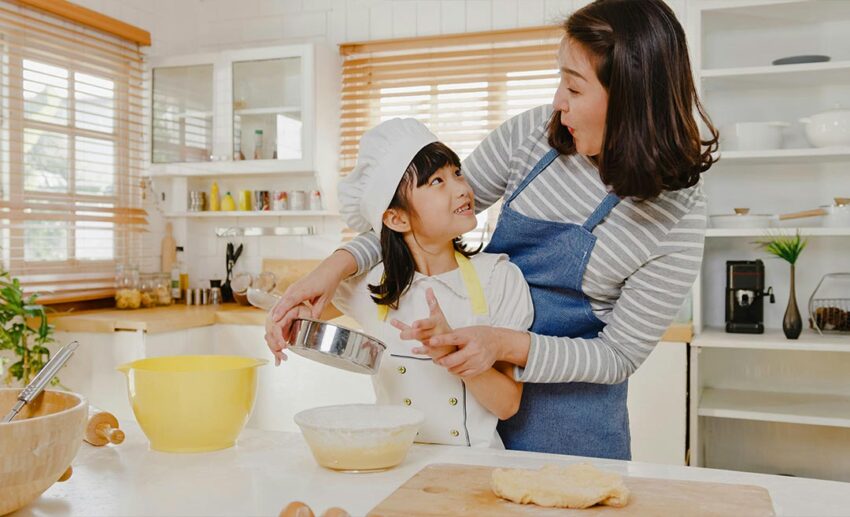
It takes time to learn our own histories and sometimes longer to appreciate them. This is especially true for third culture kids — children who grow up in a culture different from their parents’ own — who are growing up in places different from their parents. It’s hard to know where they belong or how to fit in.
I love how in Somebody Feed Phil, host Phil Rosenthal uses food and laughter to build connections with people, forming new friendships, celebrating old ones along the way, and reminding us that family and where we come from make us who we are.
These shows can be used as tools to share parts of your family’s heritage and traditions with your children, helping them develop a deep sense of pride and belonging no matter where they are in the world.
7. Watching together creates space for meaningful conversations

Part of raising young people who are interested in a world greater than themselves involves creating a safe space for them to voice their thoughts. Children should be allowed to ask questions, question biases, and have opinions about the world they live in.
Documentaries can give families a starting point for these conversations at home, where we can establish values and practice them. By allowing children to make sense of the world as they learn more about it, they can be encouraged to find ways to add value to people’s lives and to be a part of solutions that bring about positive change to their own communities and beyond.
The goal isn’t to turn every documentary into a lesson. Sometimes, it’s simply about watching something together, letting a child ask “why?”, and following that question wherever it leads. Travel can begin long before a journey — with curiosity, a conversation, and the willingness to see the world beyond our own.