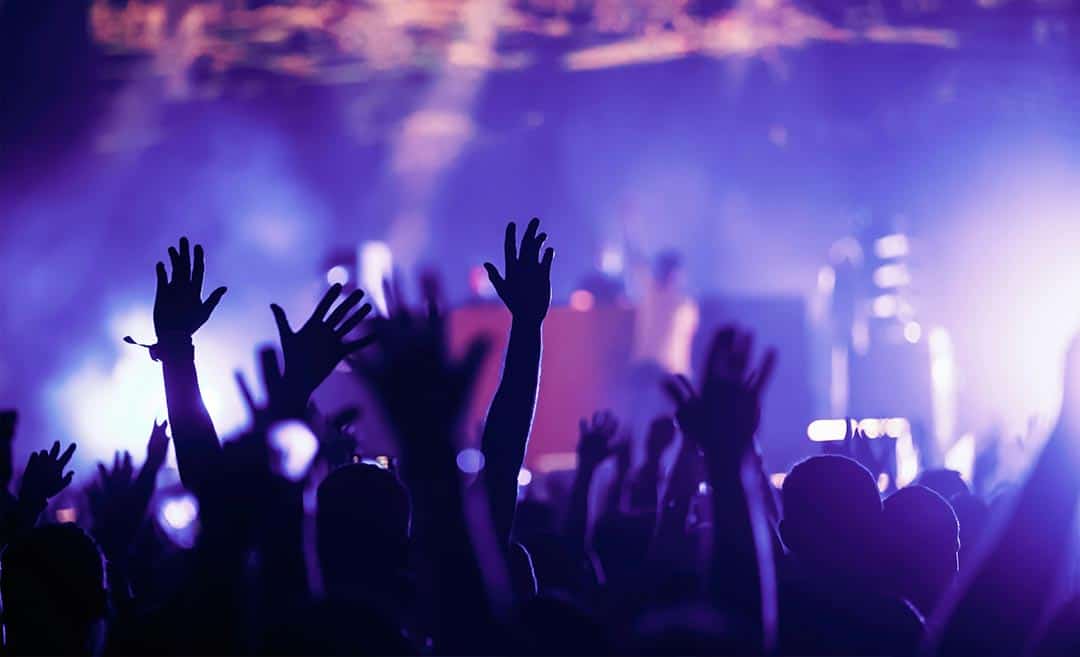
South Korea hasn’t banned dancing, but venue licensing rules mean travellers should follow venue guidance during live performances. (Image by Getty Images)
If you are planning a night out in South Korea, you might have seen recent headlines suggesting that dancing could get you into trouble. The reality is less dramatic: the country has not introduced a nationwide ban on dancing, and tourists are not being targeted by police.
Instead, the recent controversy highlights a quirk in South Korea’s hospitality licensing laws that every live-music fan should know before heading out in Seoul or Busan. Here is what actually happened, and how it impacts your holiday nightlife.
A Busan indie venue was suspended after audience members danced
The controversy began at Ovantgarde, a popular indie live-music venue in Busan’s university district that was ordered to suspend business for two months after audience members were found dancing during a performance.
The venue, which opened in 2018 and is a favourite spot for locals and international visitors to catch live bands, operates under a general restaurant licence because it serves food and alcohol. Under South Korea’s food-service regulations, however, a general restaurant licence does not legally permit customers to dance.
The incident sparked widespread criticism from musicians, venue owners, and music tourists, with many questioning whether standing, swaying, and moving to a live band should really be treated in the same way as dancing in a night club.
South Korea has not banned dancing nationwide
Despite how strange the story might sound, South Korea has not introduced a new nationwide “no-dancing” law. The Ovantgarde case involves existing licensing rules rather than a new restriction on people dancing in public.
Under South Korea’s Food Sanitation Act framework, different types of food and entertainment businesses have different permitted activities.
A general restaurant, for example, is primarily licensed to prepare and sell food, with alcohol permitted alongside meals. An entertainment bar, meanwhile, can install entertainment facilities and explicitly allow customers to sing or dance. That distinction creates an awkward situation for small live-music venues that serve food and drinks but are not conventional nightclubs.
Can tourists get fined for dancing in South Korea?
This is probably the biggest question for anyone planning a trip, and the Busan case offers clear reassurance.
The restriction at the centre of the controversy concerns venue operators and their business licences, rather than creating a personal offence for individual customers. In Ovantgarde’s case, it was the venue that received the two-month suspension, not the audience members moving to the music.
So, if you are visiting South Korea, you do not need to worry that enjoying a live set on your holiday will land you with a personal fine or legal trouble. That said, being a responsible traveller means listening to venue staff, particularly if they ask guests to remain seated or hold back from dancing.
Dancing rules can vary by local authority
For travellers exploring different cities, it is worth noting that rules can change depending on where you are. Some local authorities, including Seoul’s Mapo-gu — home to the famous Hongdae nightlife and indie-music district—have ordinances allowing dancing around seating areas in certain general restaurants.
However, these local exceptions are not applied uniformly across South Korea. In the Busan case, local authorities ruled that Ovantgarde’s standing setup, where tables and chairs had been moved to accommodate live gig-goers, did not qualify for a local exemption.
Calls for a new category of live venue
The Ovantgarde case has also renewed calls to change how South Korea regulates small live-music venues. A bill introduced in the National Assembly would create a separate category for small performance venues, potentially giving them a regulatory framework that better reflects how live shows operate.
For musicians and venue operators, the issue is that spaces built around live performances can currently fall under rules designed for restaurants or other types of entertainment businesses. The proposed changes could give smaller venues more room to host live performances without falling foul of regulations that were not designed specifically for them.
Enjoying South Korea’s nightlife responsibly
If you are attending an intimate indie gig and venue staff ask you to stay seated, refrain from standing, or stop dancing, the simplest approach is to follow their lead. The staff are not trying to ruin your night; they are simply protecting their business licence and keeping their space open for future travellers and music lovers.
If letting loose on the dance floor is an absolute must for your night out, opt for a designated nightclub or a fully licensed entertainment venue in major nightlife hubs like Hongdae or Itaewon, where dancing is explicitly permitted. That way, you get the full nightlife experience while keeping your travel plans stress-free.