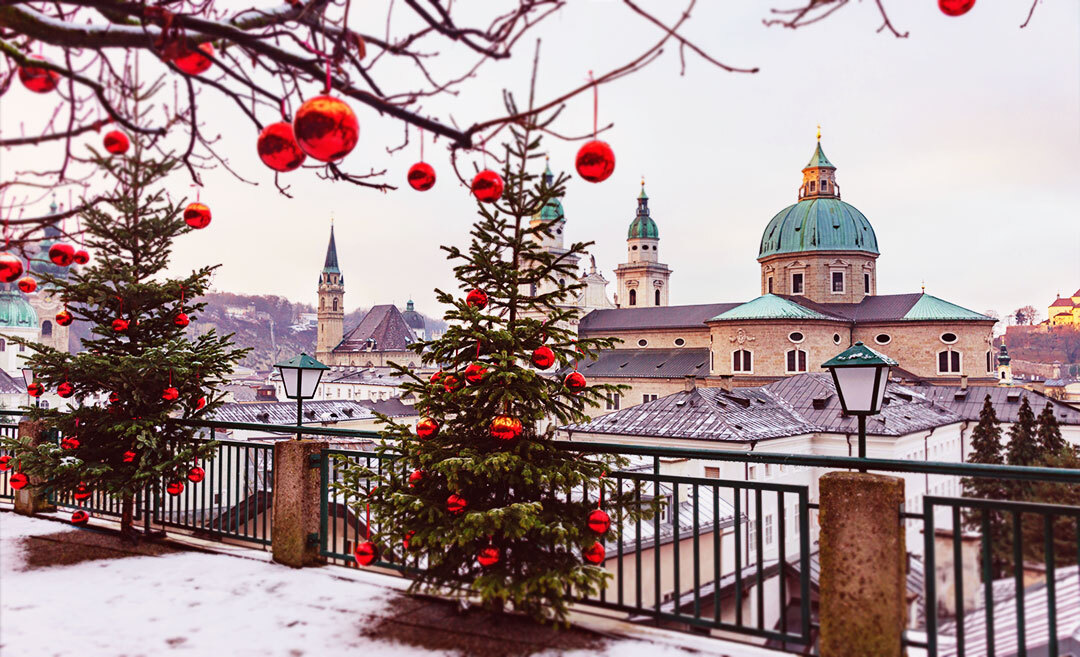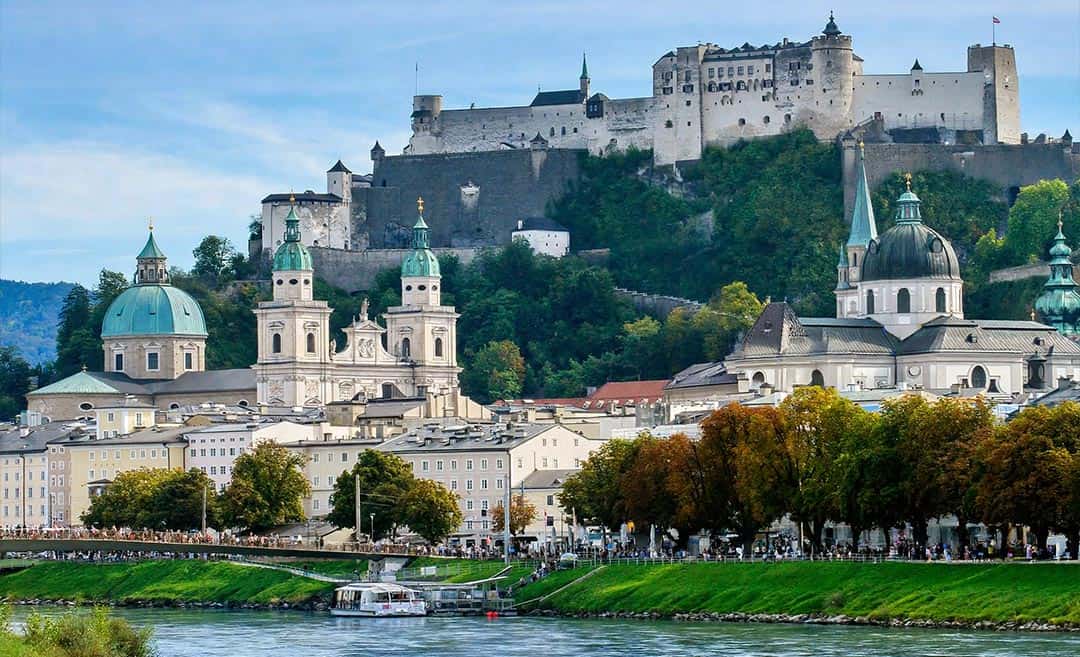
Hohensalzburg Fortress guards the historic city on the Salzach River, where The Sound of Music was filmed. (Image by David Bowden)
The Austrian city of Salzburg is one of Europe’s most picturesque. The Salzach River flows through it, and Hohensalzburg Fortress has guarded the city since the 11th century. Salzburg is very much a city of culture, where the musical luminary Wolfgang Amadeus Mozart was born in 1756.
There is something special about the historic centre of Salzburg that has drawn me back several times over the years. However, I have a confession to make: like many visitors to the city, I have fallen in love with it through the Hollywood blockbuster film, The Sound of Music.
In 1964, the producers arrived in Salzburg to make a film based on a book, a stage musical, and two German films that had been created a few years earlier. The Hollywood production was adapted from the Rodgers and Hammerstein stage musical, itself based on the memoir written by Maria von Trapp. Published in 1949, The Story of the Trapp Family Singers recounts her time as governess to the children of Georg Ritter von Trapp and, later, as his wife. Their departure from Austria in 1938 and subsequent life in the United States inspired what would become an Academy Award-winning Hollywood production, The Sound of Music.
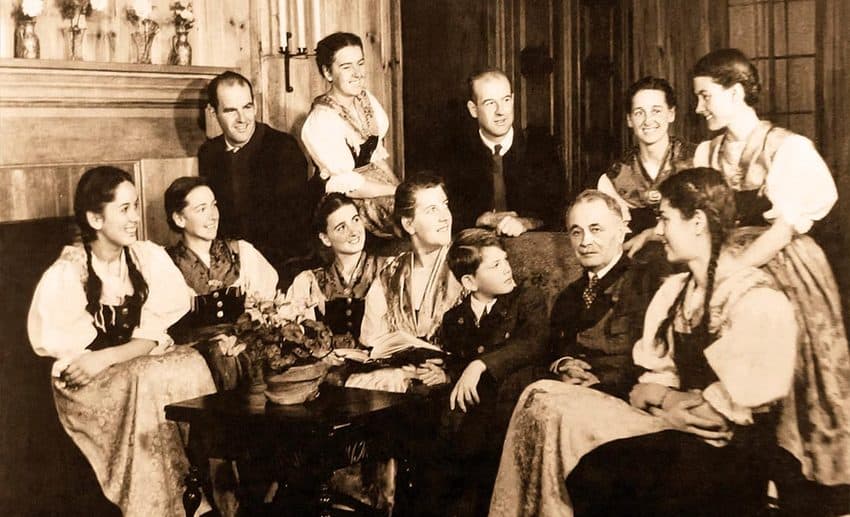
A new museum celebrates The Sound of Music
Over 60 years later, interest in the film has not waned, and tourists still flock to Salzburg to admire the sights where various scenes were filmed and songs sung. Many of these tourists travel here for a good reason, and that is The Sound of Music. While tourism is changing in many ways globally, some things don’t change, and that provides comfort to many travellers.
Recognising the film’s significance, the Salzburg Museum set about establishing a museum dedicated to it. Work began some ten years ago, and the exhibition opened in September 2026.
The exhibition contains around 500 items, many contributed by Roger Pluijm, a private collector from the Netherlands. He amassed a vast collection of film memorabilia over several decades, including original props, recordings, photographs, and posters. Audio and visual material from original recordings featuring Maria von Trapp, together with clips from the Hollywood film, provide insight into the real-life story behind this worldwide cultural phenomenon and how its legacy has endured.
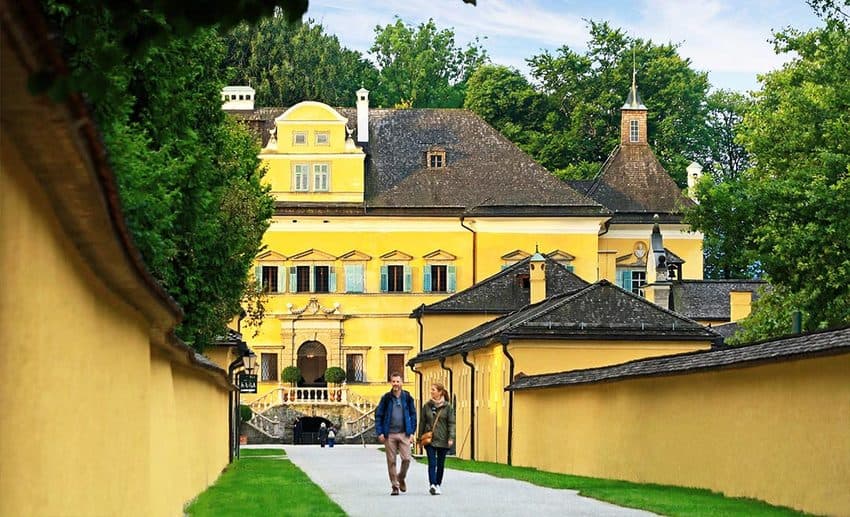
At the centre of the Sound of Music Salzburg exhibition are two stories, intricately connected but dissimilar in many ways. There is the factual history of the von Trapp family, and the Hollywood version, The Sound of Music.
One of the best-known sequences was filmed in the gazebo on the grounds of Hellbrunn Palace, not far from the city. The museum collection is displayed in historic buildings near the palace entrance, with the famous gazebo nearby. The exhibition is seasonal, so visitors should check its opening dates before planning a visit.
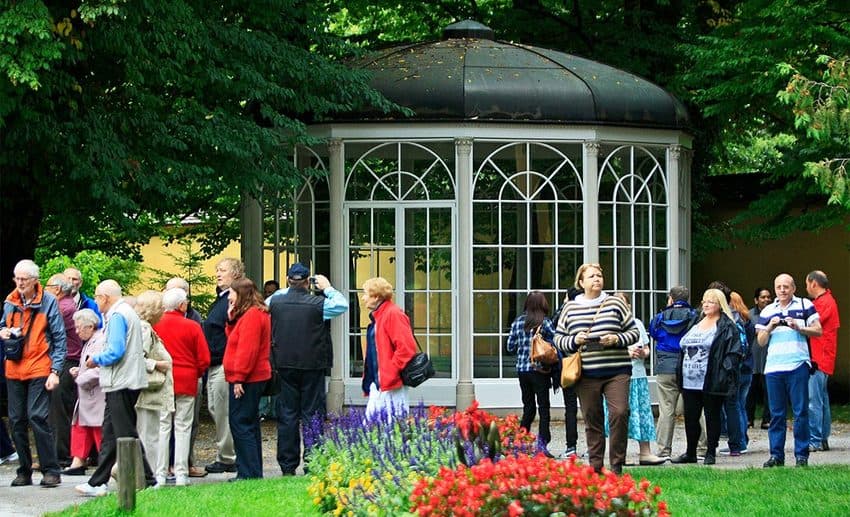
Reliving the movie
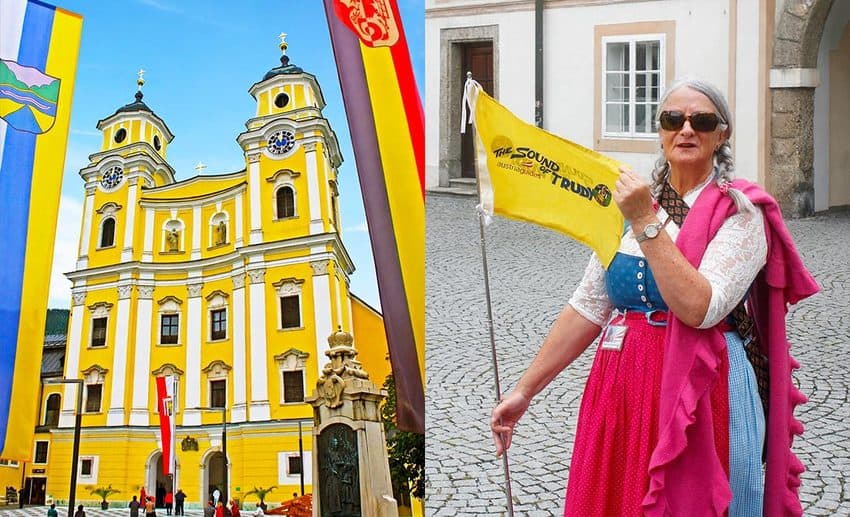
While Panorama Tours began showing interested visitors the locations portrayed in the film soon after it received global acclaim, all manner of tours are now available. My first engagement was a central walking tour with Trudy Rollo. Trudy is a guide who reveals the history and secrets of the city’s major tourist attractions on her Sounds of Trudy tour. This two-hour walk included Mirabell Gardens, Mozart’s birthplace, the cathedral, the river, Getreidegasse (the main street), and several historic squares.
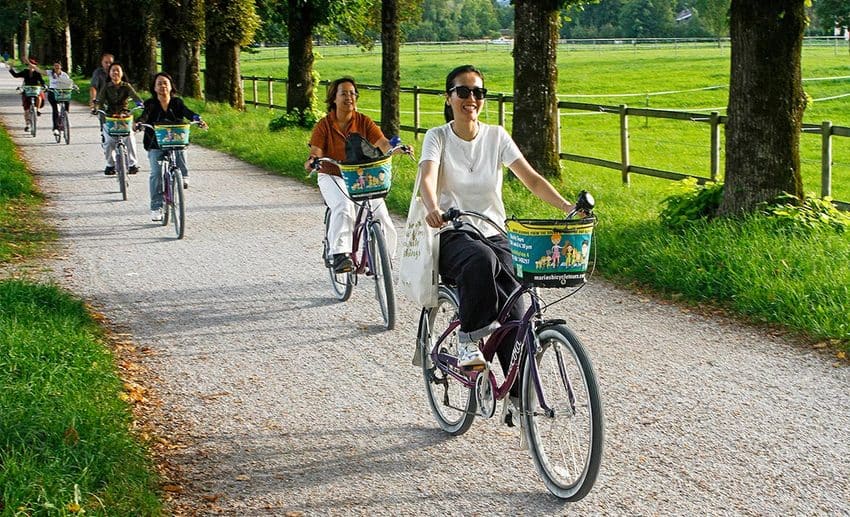
For a more comprehensive and energetic excursion, I signed up for a Fräulein Maria’s Bicycle Tour to explore a few film locations in the city and its immediate outskirts. The 16-kilometre ride, which lasted over two hours with regular stops, was reasonably easy even for my weary legs.
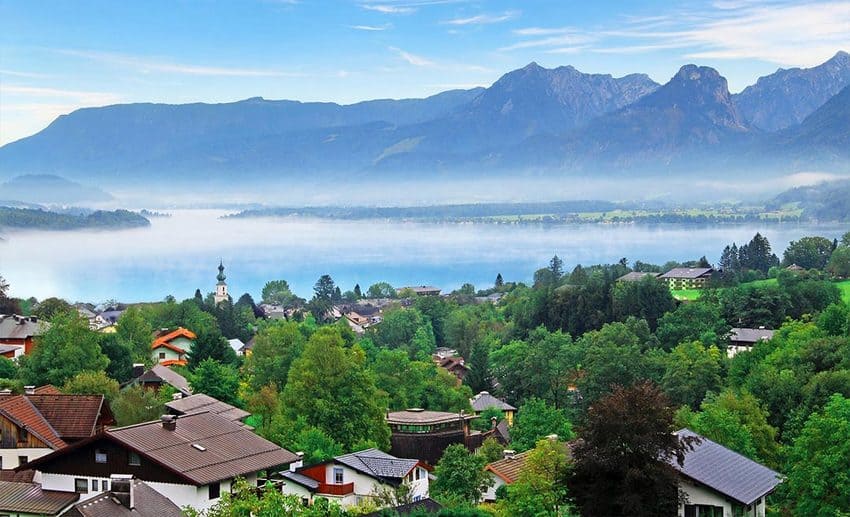
Panorama Tours continues to offer the quintessential coach tour through Salzburg and further afield to small towns such as St Gilgen, on the shores of Wolfgangsee. The morning mist was still lying over the lake when we visited, and it made for a magical photograph.
Just to the north, the small town of Mondsee, on the shores of a lake of the same name, holds special interest for moviegoers. The church in the town centre is one of the most beautiful in Austria, and it’s hardly surprising that the film’s director, Robert Wise, chose it for the wedding scene between Maria and Captain von Trapp. Even for non-movie fans, the church is special, with its Romanesque origins and later Gothic and Baroque additions. Time is allocated for tour participants to look inside the church and around the village square.
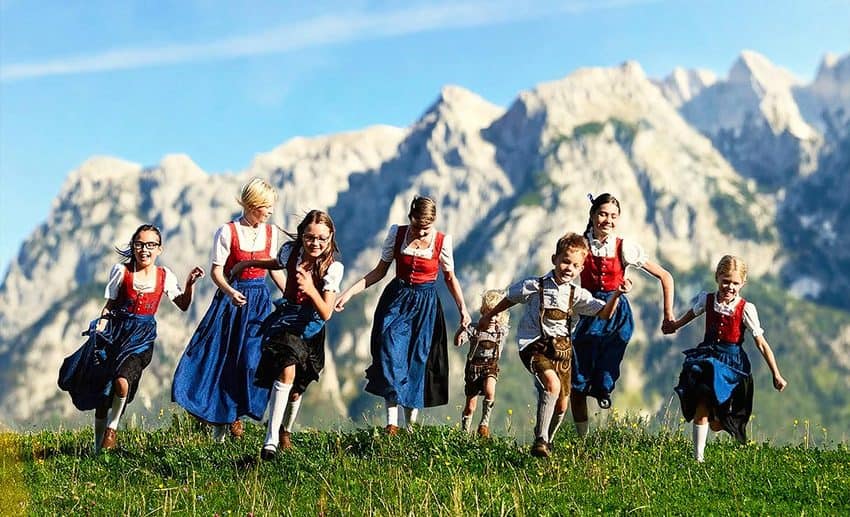
The last activity I chose was a visit to Werfen, where I walked a trail to the picnic meadow above the small town. Located 40 kilometres south of Salzburg by train, the alpine meadow was where the children in the film have a picnic while learning to sing Do-Re-Mi. It was a magical day, with a clear blue sky that created brilliant light to appreciate Hohenwerfen Castle rising above the town.
Hikers can scan a QR code and have actor Nicholas Hammond, who played Friedrich von Trapp in the film, recount his experiences during filming in 1964.
What was good about all these tours was that I felt confident doing them by myself, as they involved group travel with competent and experienced guides. During my time in Salzburg, I took the recommendations of others and joined popular tours, but also confidently stepped out on my own to conquer the Werfen Trail.
Perhaps what surprised me most was that, on the trail, I met two groups of young Malaysians doing the same. This brought home the universal, cross-generational appeal that The Sound of Music still has.
Few Hollywood films have shaped the worldwide image of Salzburg as powerfully as The Sound of Music. Since its premiere in March 1965, the film has become one of the most successful musical films ever made, winning five Academy Awards, including Best Picture, and continuing to reach audiences through television, streaming platforms, and theatre stages.
Zafigo Travel Tips: Exploring Salzburg and The Sound of Music
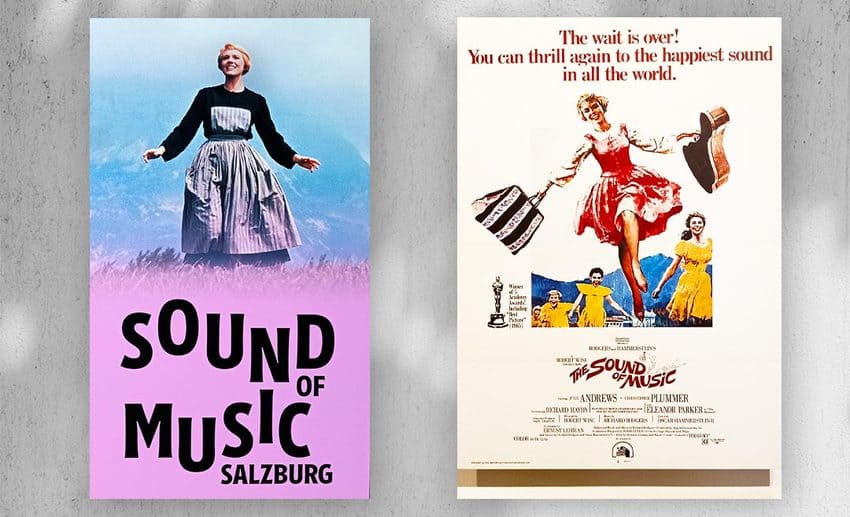
Visit the museum at Hellbrunn Palace. Sound of Music Salzburg is a seasonal exhibition. Check the official website for opening dates, admission fees, and visitor information before making the trip.
Choose a tour that suits your interests. A walking tour is a good way to explore Salzburg’s historic centre, while a bicycle excursion is a more active way to see nearby filming locations. Coach tours make it easier to visit places further afield, including St Gilgen and Mondsee. For more information on guided excursions and local attractions, visit Salzburg Tourism.
Make time for independent exploration. You don’t have to book a tour for every day of your trip. Consider combining a guided excursion with time to wander through Salzburg’s historic streets, stop at a cafe, or explore the surrounding countryside at your own pace.
Plan your journey to Werfen. Werfen can be reached by train from Salzburg, but check current timetables and the onward route to the trail before setting out. If you plan to hike, research the trail’s distance and difficulty, check the weather, and allow enough time for the return journey.
Pack for changing weather and terrain. Comfortable walking shoes, water, and weather-appropriate layers help you explore the city and countryside. Conditions in the mountains can differ from those in Salzburg, so check the forecast before heading out on a trail.
Feel comfortable exploring solo. Travelling alone doesn’t mean you have to do everything alone. Group tours can be a comfortable way to explore unfamiliar places while learning from local guides and meeting fellow travellers.
Book flights and accommodation early. Turkish Airlines offers flights between Kuala Lumpur and Salzburg via Istanbul. Check the airline’s website for current schedules, journey times, and fares. For accommodation, consider Theater Hotel Salzburg, and compare its location and rates with other options that suit your itinerary.
Look beyond the filming locations. The film provides a memorable way to discover Salzburg, but don’t overlook the city’s other attractions. Mozart’s birthplace, historic squares, cafes, and the surrounding lakes and mountains offer plenty of reasons to extend your stay. For wider travel information, visit the Austrian National Tourist Office.
All photos are by and courtesy of the writer, David Bowden, unless otherwise stated.