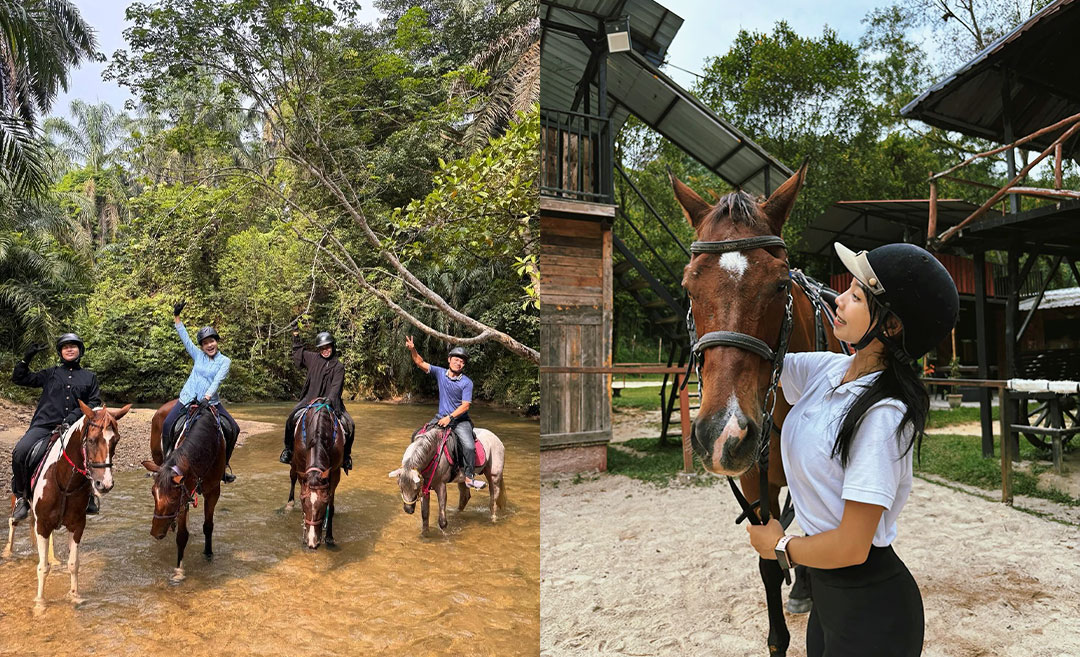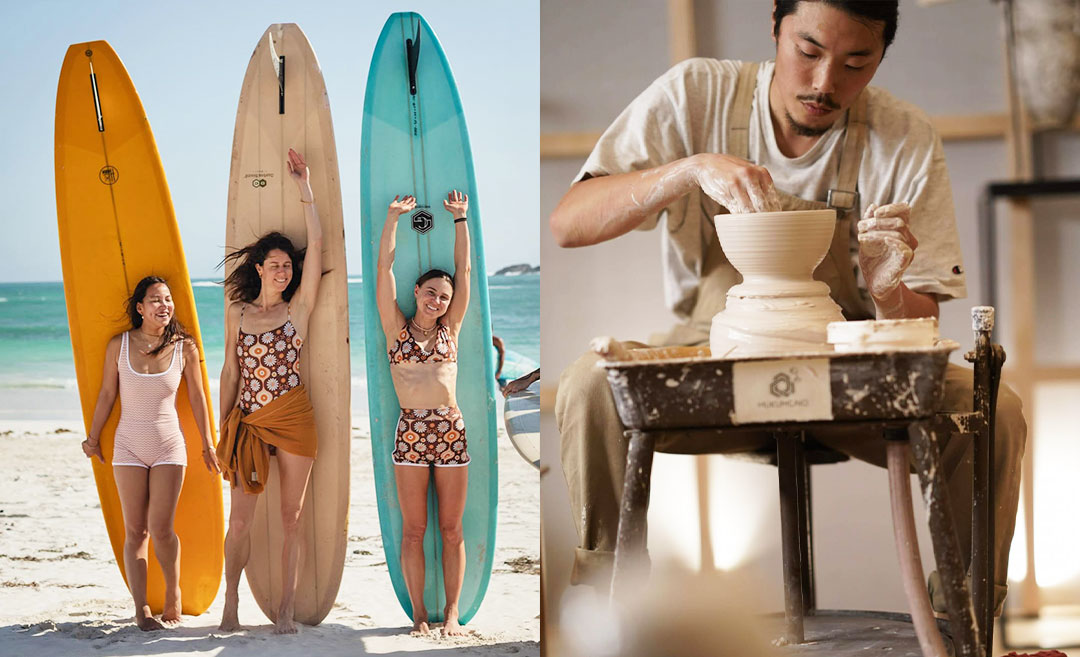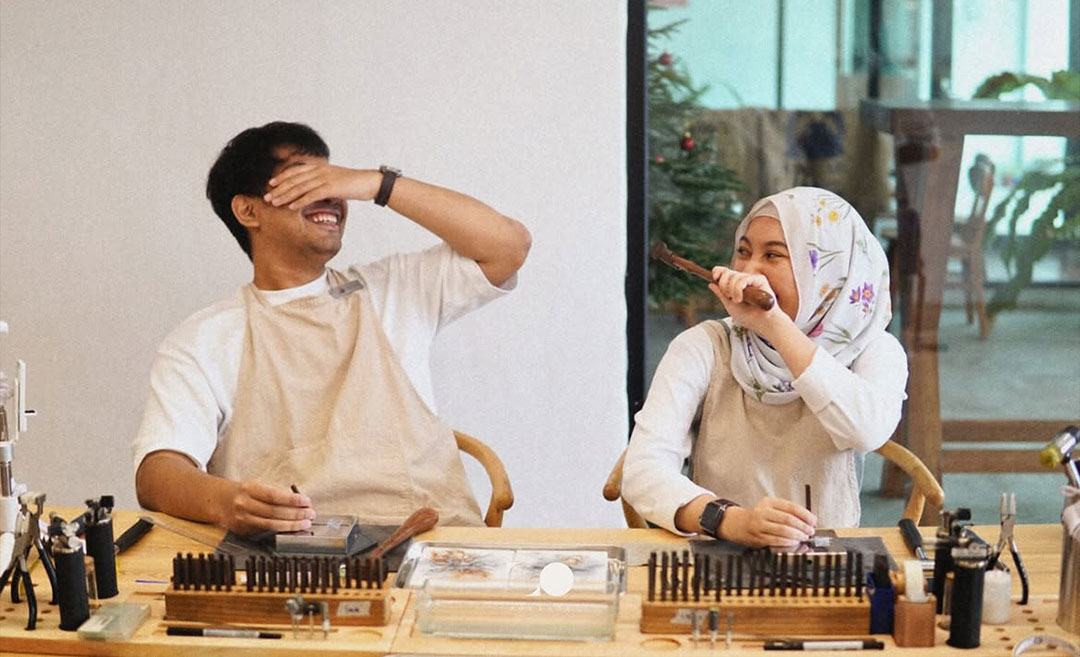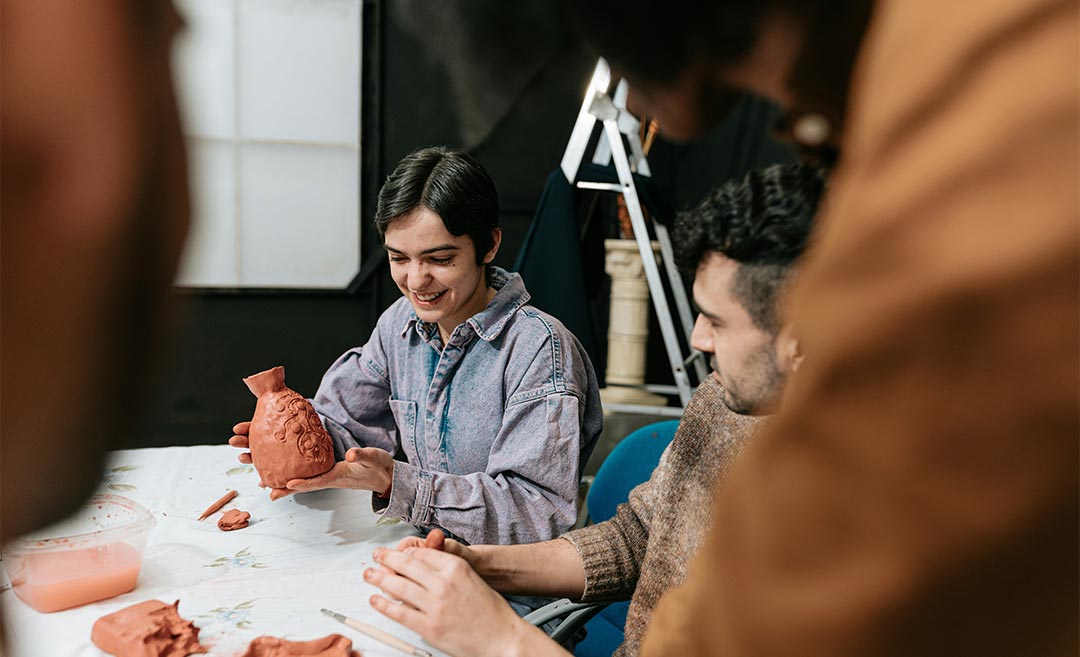
Creativity is a fundamental part of our being, which is why we are so drawn to it. The beauty of art is that it is never too late to learn something new. (Image by A.C.)
I truly believe that human beings are innately wired to be creative. As I get older, my mother’s advice not to quit piano lessons before giving them a fair chance rings loud whenever I come across a piano in a bookstore or hotel lounge. Playing a familiar tune can be an easy way to spark a spontaneous connection, even when you are far from home.
Her advice may have stemmed from pure parental instinct to teach her children not to give up too easily, but possessing an artistic skill as an adult can be a form of communication in itself. When language barriers, cultural differences, or unfamiliar social norms make it difficult to connect, a shared creative activity can give people another way to communicate.
That is why creative classes and workshops can be particularly useful when travelling. They give you something to do with the people around you, while taking some of the pressure out of approaching strangers. Here are some reasons to consider picking up a creative skill on your next trip.
Learning a new skill is a good ice breaker when making friends abroad
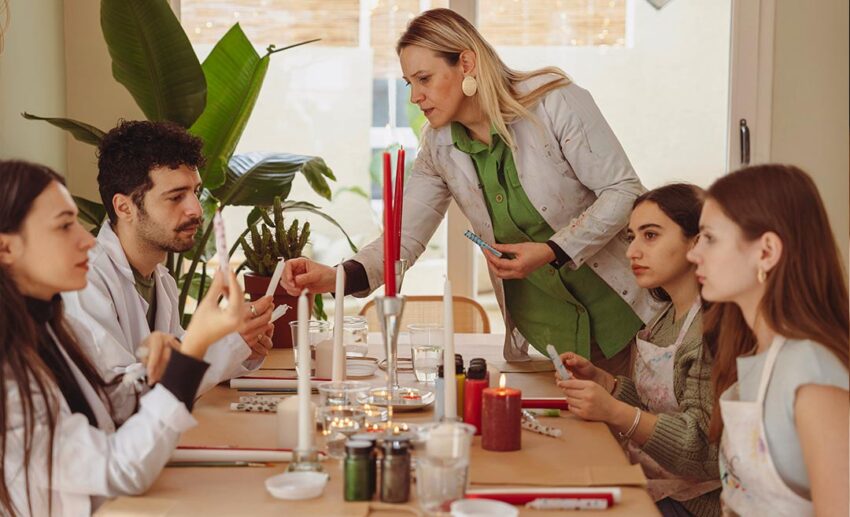
Walking up to a stranger and striking up a conversation when travelling takes a lot of courage, and that does not come naturally for most of us. For some of us, making conversations with strangers requires an icebreaker. Learning a skill like Sashiko stitching, marbling, or woodblock printing is exactly the kind of activity that allows us to make casual conversations that do not feel forced or awkward. After all, assuming most people are beginners, the activity is an opportunity to be friendly and make connections in a low-pressure environment, with a task to focus on and return to.
A shared activity creates common ground across cultures
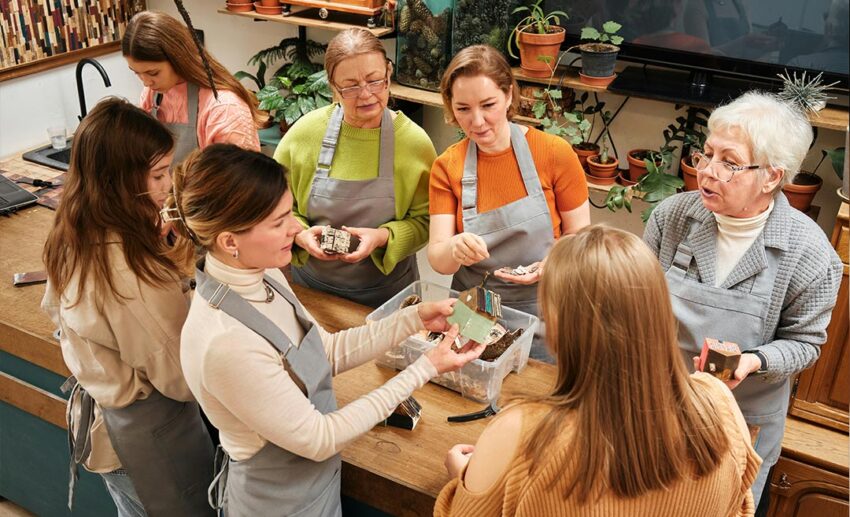
When you’re surrounded by people from different parts of the world, participating in an activity that requires no prior knowledge gives everyone an equal opportunity to engage in conversation. Whether it’s learning to cook a dish local to the area or picking up an instrument you’ve never played before, there is now a common interest you share with those learning alongside you. This is an especially wonderful way to connect with others across different cultural backgrounds while learning about local heritage and traditions.
Learning something new teaches us to rely on others

If you find yourself being more reserved when you travel, signing up for a craft workshop encourages you to step out of your comfort zone. By placing yourself in a space where you are not an expert on the subject, you will need to ask questions, let others help you, and have conversations with people.
There is no pressure to form lifelong bonds with the people you meet, but it is a good way to practise your social skills while learning to communicate your needs and quickly adapt to new environments. We are not meant to do everything alone. Knowing when to ask for help and accept guidance from others is a good skill to have while travelling and in life.
Laughter is a language anyone can understand
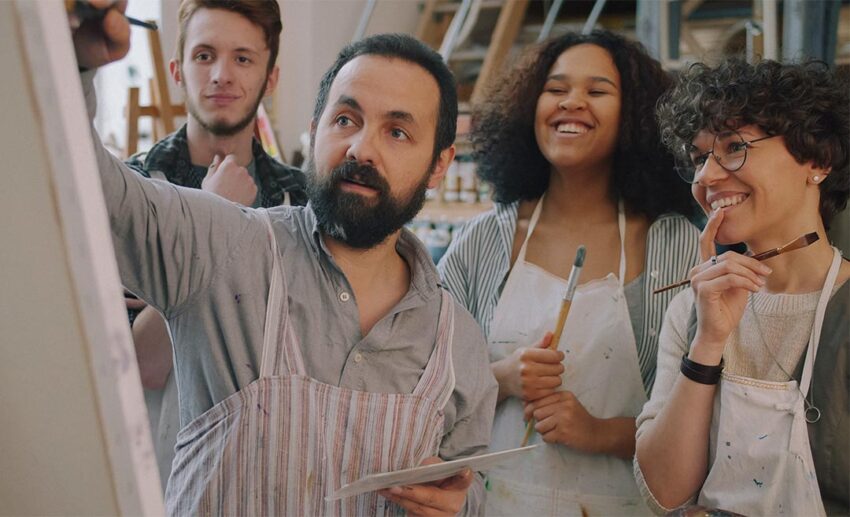
The beauty of taking part in creative and artistic classes when you travel is that you do not have to be good at it all at once. Mistakes are a part of the learning process, and many times they can be quite humorous. Laughing at your own mishaps and odd-looking creations instantly gives others around you permission to be themselves and let their guard down.
Be open to being bad at something. Share a laugh with another person, and in time you’ll find that making friends all over the world is easier when we do not feel the need to perform or be perfect.
Creative classes let you build connections without oversharing
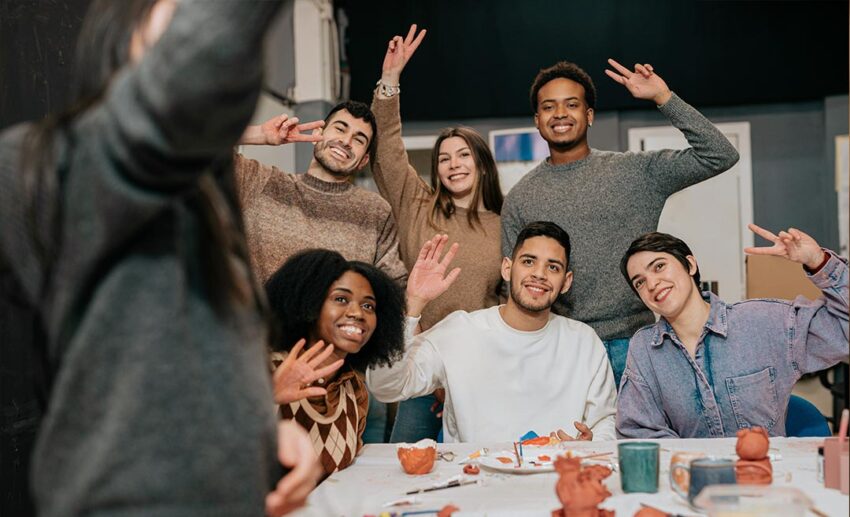
It is not always easy to know whom to trust or how much to open up to a stranger when we travel. If you find yourself oversharing too quickly, perhaps meeting people within the bounds of a creative project might be the best way to build healthy connections.
Making friends abroad is a good thing, but we should always be careful with how much of our lives we share with others, especially concerning personal matters. Taking a knitting class or a latte art workshop gives you the freedom to make friends without having to fill every silence with a deep and personal story.
Trust takes time. A creative class gives you the chance to let a friendship develop naturally, one shared activity and conversation at a time.
You do not need to be naturally outgoing, highly skilled, or fluent in the local language to make meaningful connections while travelling. Sometimes, all it takes is being willing to try something new alongside someone else.