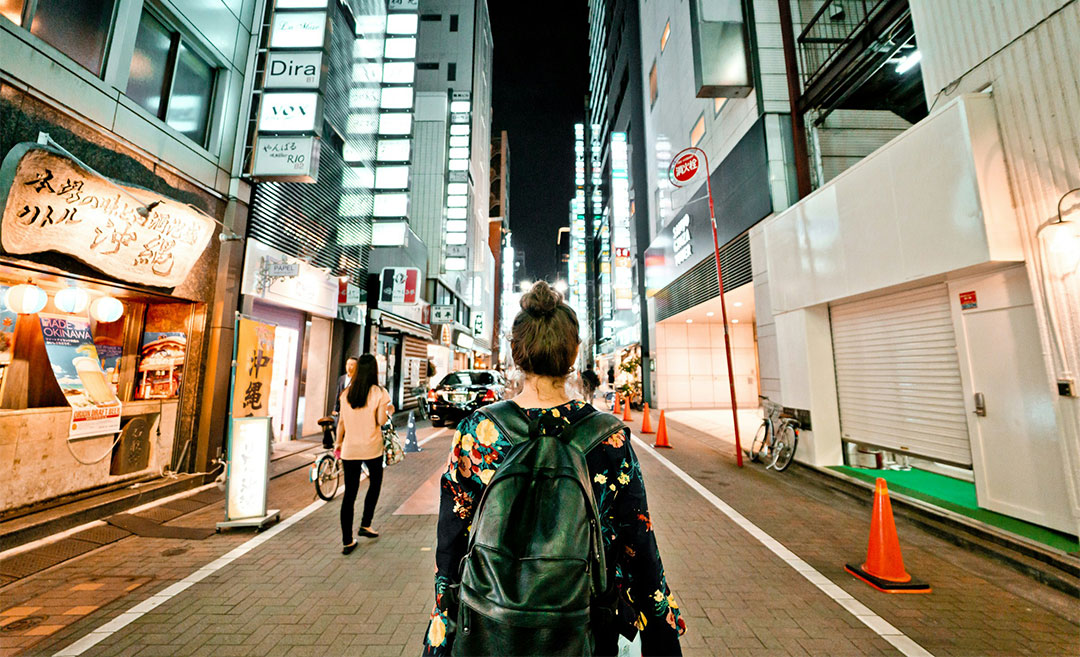
Japan has changed tax-free shopping rules and raised its departure tax, giving travellers new costs and procedures to plan around. (Image by Jezael Melgoza)
Japan continues to welcome international visitors at record levels. In July 2026, the country recorded 3.44 million international arrivals, its highest-ever July total, with Malaysia among 17 markets that recorded their highest-ever visitor numbers for the month.
Against that backdrop, two changes affecting international visitors are worth knowing about: Japan’s tax-free shopping system will change from 1 November 2026, while its International Tourist Tax has already increased.
Japan’s tax-free shopping system changes from November
The biggest change takes effect on 1 November 2026. Currently, eligible international visitors can buy qualifying goods at participating tax-free shops without paying Japan’s consumption tax upfront.
Under the new system, shoppers will initially pay the full tax-inclusive price. When they leave Japan, Customs must confirm that they are taking the tax-free goods out of the country before the equivalent consumption tax can be refunded by the tax-free shop or its refund provider.
The practical difference is important: travellers must have their tax-free purchases with them for the Customs procedure, meaning they should complete it before checking in any luggage containing those goods.
Japan’s National Tax Agency (NTA) says the new system will allow tax-free goods to be purchased at the tax-inclusive price, with Customs confirmation required within 90 days of the purchase. The refund will then be handled by the tax-free shop or a refund provider, with the exact method varying by business.
Travellers should therefore allow plenty of time at the airport, keep their tax-free purchases and receipts organised, and make sure the goods are accessible for Customs inspection. If Customs cannot confirm that the goods are leaving Japan, the consumption tax refund will not be available.
There are other changes, too. From November, consumable goods such as food, drinks, and cosmetics will no longer need the current special sealed packaging. However, travellers still cannot consume or use these goods in Japan if they want to receive the tax refund. The period for exporting tax-free goods will also increase from 30 to 90 days.
For shoppers buying everything from cosmetics and fashion to souvenirs and electronics, the tax-free benefit will therefore become something to complete at departure rather than something that is settled entirely at the shop counter.
Japan’s departure tax has risen to JPY3,000
Since 1 July 2026, Japan’s International Tourist Tax has risen from JPY1,000 to JPY3,000 (approx. RM75) per person. The tax generally applies to each departure from Japan, regardless of the traveller’s nationality or reason for travel.
The tax is generally collected by airlines or shipping companies as part of the ticket price, so most travellers will not need to make a separate payment at the airport. There is a transitional exception for certain transport contracts made before 1 July 2026, which remain subject to the previous JPY1,000 rate.
The two changes are separate measures, but together they mean travellers should pay closer attention to the costs and procedures involved in the final stage of a Japan trip.
What Japan travellers need to know before departure
With visitor numbers continuing to reach record levels, these changes are increasingly relevant to travellers planning Japan holidays, including Malaysians, who are among the markets contributing to the country’s tourism growth.
For travellers heading to Japan after 1 November, the biggest change will be at the airport: keep tax-free purchases accessible, complete the Customs procedure before checking in luggage containing those goods, and allow extra time before departure.
Japan’s tourism numbers may be hitting new highs, but the way international visitors shop tax-free and leave the country is changing, too. Knowing what needs to be done before departure can help travellers avoid losing out on a tax refund or arriving at the airport unprepared.