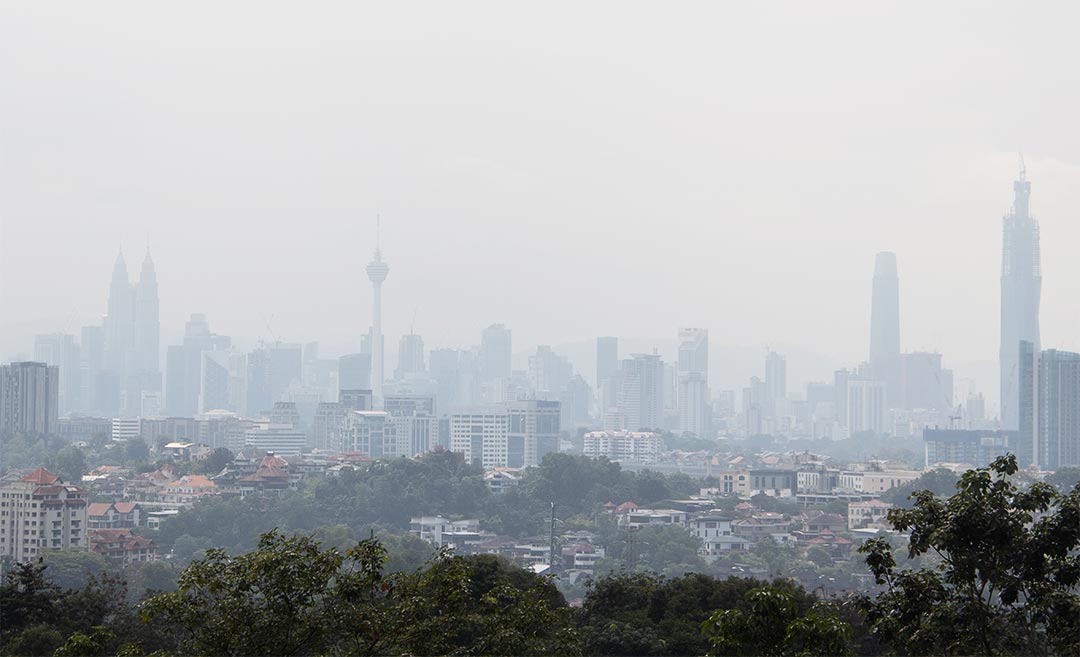
Haze linked to fires in Indonesia is affecting parts of Malaysia, with travellers advised to monitor air quality, adjust plans, and take precautions. (Image by Thamkc)
If you have arrived in Southeast Asia to find the usually bright blue skies replaced by a grey, smoky-looking veil, you are not imagining it. Haze linked to fires in Indonesia is affecting parts of Malaysia, particularly Sarawak, as well as several areas of Peninsular Malaysia. As of 12 August, 11 of Malaysia’s 68 air-quality monitoring stations were recording “unhealthy” Air Pollutant Index (API) readings, while Serian in Sarawak had reached the “very unhealthy” level.
The haze is being driven by a combination of transboundary smoke, local fires, and prolonged dry conditions across southern Southeast Asia. Prevailing winds can carry smoke across borders, while the dry season is increasing the risk of hotspots and forest and land fires. Indonesia is also experiencing an especially severe dry season, with El Niño contributing to conditions that allow fires to spread more easily.
Where is the haze in Malaysia?
Sarawak is currently among the worst-affected parts of Malaysia, with Serian and Tebedu recording API readings above 200, putting both areas in the “very unhealthy” category as of 4pm on 12 August. Kuching recorded an API of 177. Parts of Peninsular Malaysia are also recording unhealthy readings, including Cheras, Putrajaya, and Shah Alam.
Conditions can vary considerably between locations, so travellers should check local air-quality readings rather than assuming the entire country is equally affected.
How dangerous is the air quality?
Malaysia’s API classifies readings of 101–200 as unhealthy, while 201–300 is very unhealthy. At these levels, it is sensible for everyone to reduce prolonged or strenuous outdoor activity, while children, older people, pregnant women, and people with respiratory or heart conditions should take extra care.
If you experience breathing difficulties, chest discomfort, or other concerning symptoms, move indoors and seek medical attention if necessary.
Can I still go sightseeing?

You do not necessarily need to cancel your day, but flexibility helps. If the air quality is poor, consider swapping long walks, hikes, cycling, and other strenuous activities for museums, galleries, shopping centres, cafes, or other indoor attractions.
If you are hoping to visit a viewpoint or take photographs of a skyline, check conditions first. Haze can significantly reduce visibility, so famous views may be less impressive than usual.
Could the haze affect my flight?
Severe haze can reduce visibility around airports and may affect flights if conditions deteriorate. If you are flying from an affected area, check with your airline or airport before leaving for the airport, particularly if visibility is poor.
How can I protect myself?
When air quality is poor:
- Keep outdoor activities shorter and less strenuous
- Consider wearing a well-fitting mask when you need to be outside
- Keep windows closed where practical and use air-conditioning on recirculation
- Stay hydrated and take breaks indoors
- Check local air-quality readings before heading out
How long will the haze last?
There is no fixed timeline for the current haze. Rain and shifts in wind direction can improve conditions, while smoke can move into a new area within hours if fires continue.
The best approach for travellers is to keep checking local conditions and be prepared to adjust outdoor plans from day to day.
Where can I check Malaysia’s air quality?
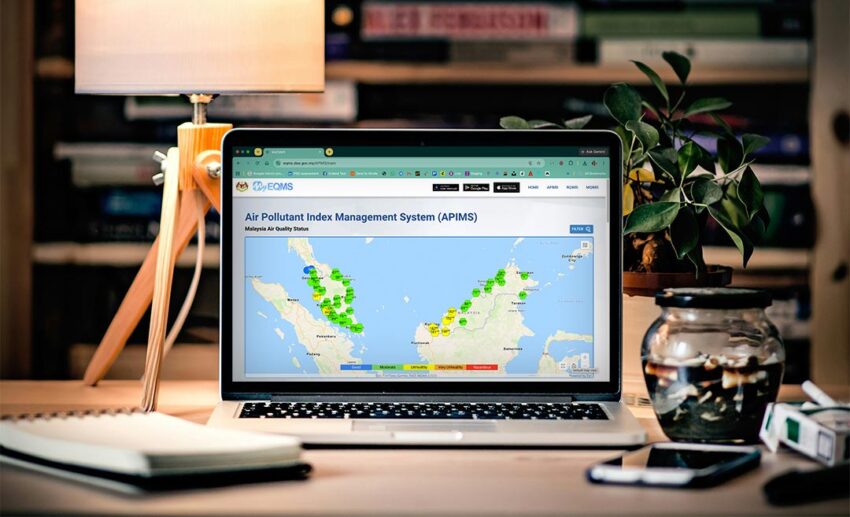
Travellers in Malaysia can check current API readings through the Department of Environment’s Air Pollutant Index Management System (APIMS), while those travelling elsewhere in the region should check their destination’s local air-quality monitoring service.