Guided by a local friend, Sofia discovers Lisbon through street festivals, food traditions, historic crafts, and everyday rituals.
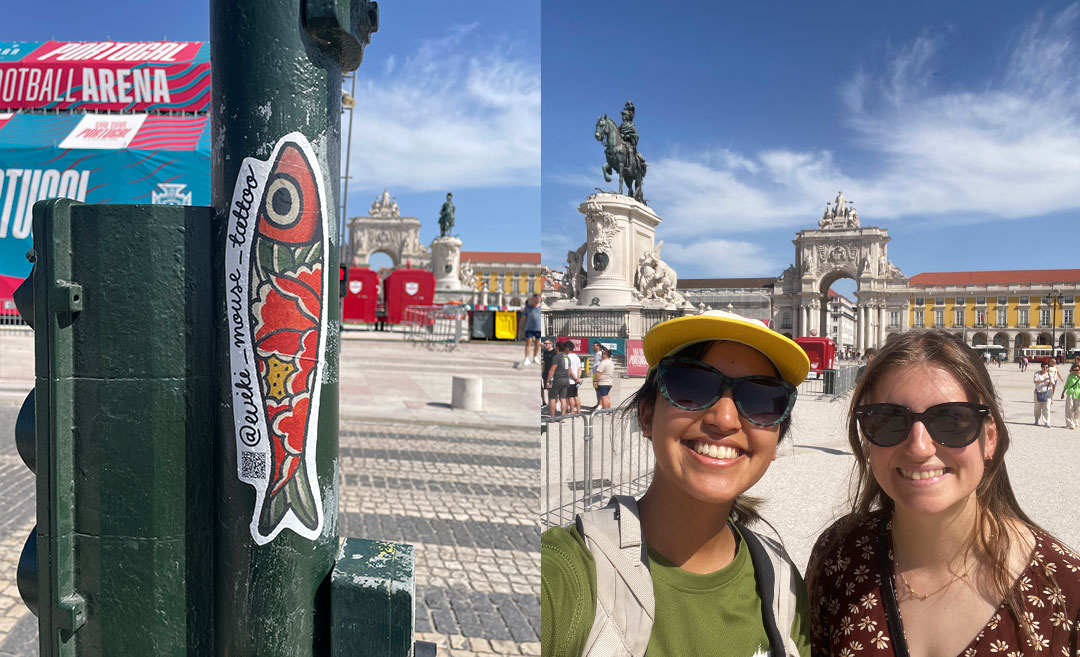
In the eyes of many visitors, Lisbon is defined by its iconic yellow trams, cork souvenirs, and sardines plastered across everything from scarves and bucket hats to magnets and tea towels. Then there are the cobbled hills and the ever-popular pastel de nata.
But while those symbols are undeniably charming (I bought many sardine-themed souvenirs myself), Lisbon is also much more than its postcard image. During a visit to the Portuguese capital, I had the privilege of being shown around by my friend Margarida, a local who introduced me to a side of the city that many tourists never see.
The Lisbon she showed me went beyond the classic attractions and revealed a city rich in traditions, community, cuisine, craftsmanship, and warmth.
When Lisbon’s traditions spill into the streets
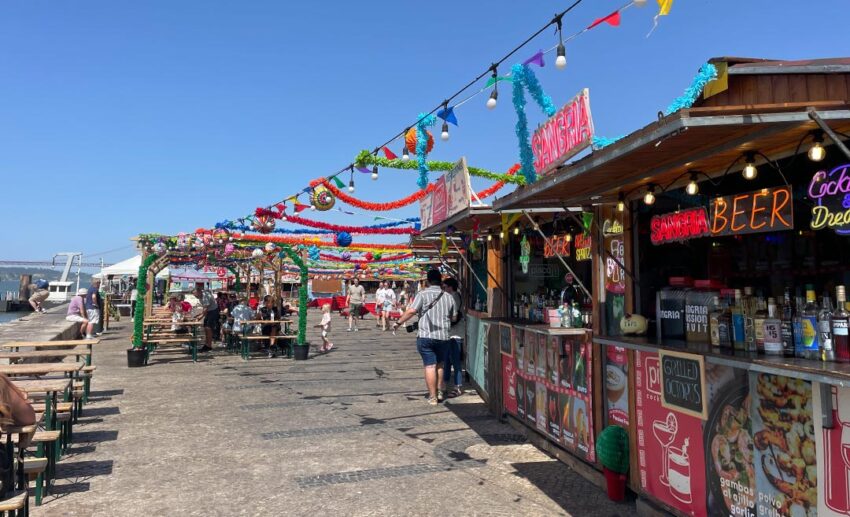
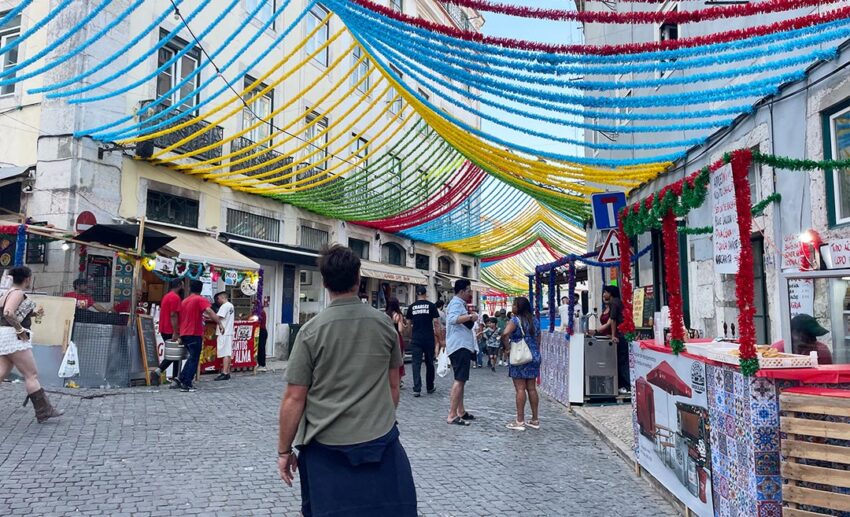
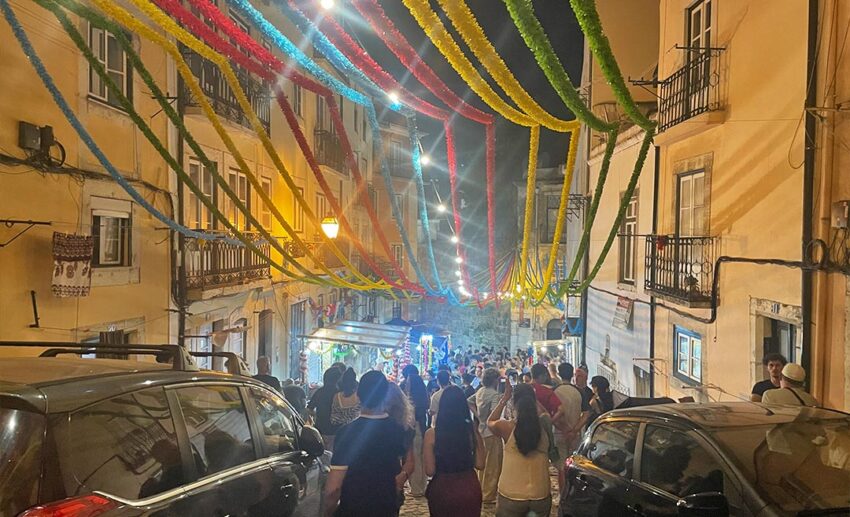
I was fortunate to visit Lisbon during the weekend when the Saint Anthony Festival (Festas de Santo António), Lisbon’s biggest annual street festival, was happening. Wandering along the cobbled streets, you could feel the city pulse with life as it prepared for the Saint Anthony celebrations.
For the festival, the streets and alleys were strung with tinsel. Almost every restaurant had turned into a makeshift outdoor kitchen with al fresco seating. It seemed like the tiniest of alleys were crammed with seating and outdoor grills.
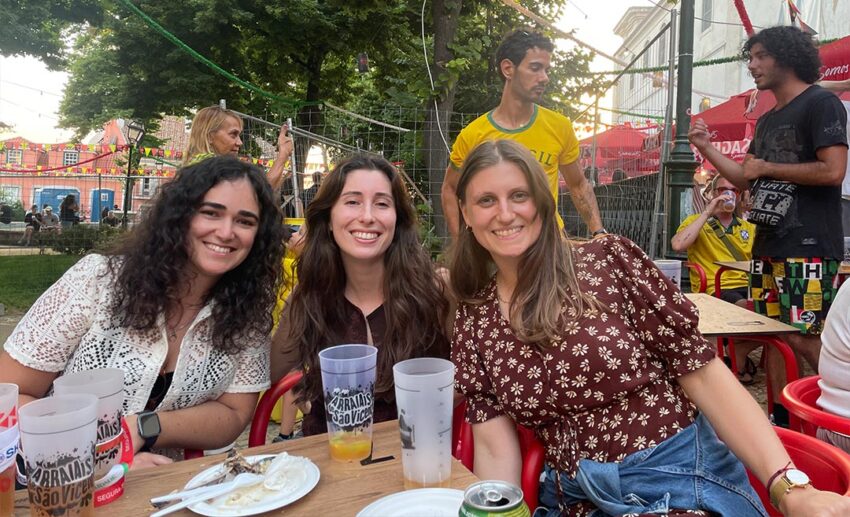
Before the late-night summer sun went down, people were enjoying the celebration’s classic meal of grilled sardines on bread (I told you sardines were everywhere), chatting and dancing to throwback Portuguese songs to which everyone seemed to know the steps.
Feeling the summer air heavy with the joy and festivity, while munching on grilled sardines, I felt grateful to be welcomed into Margarida’s local circle of friends and to experience this special Lisbon tradition firsthand.
The Saint Anthony Festival wasn’t the only time I saw how Lisbon comes alive around a shared celebration. I was also lucky enough to experience the city during the 2026 FIFA World Cup, when football fever seemed to take over every corner of Lisbon.
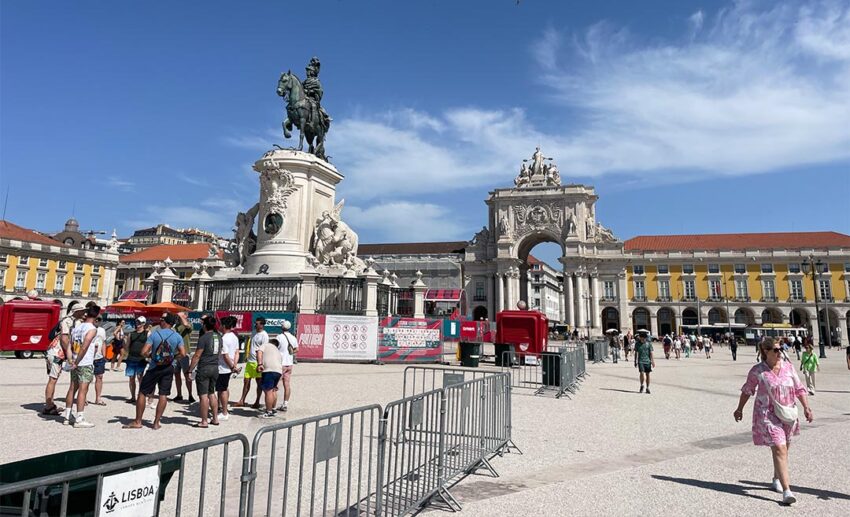
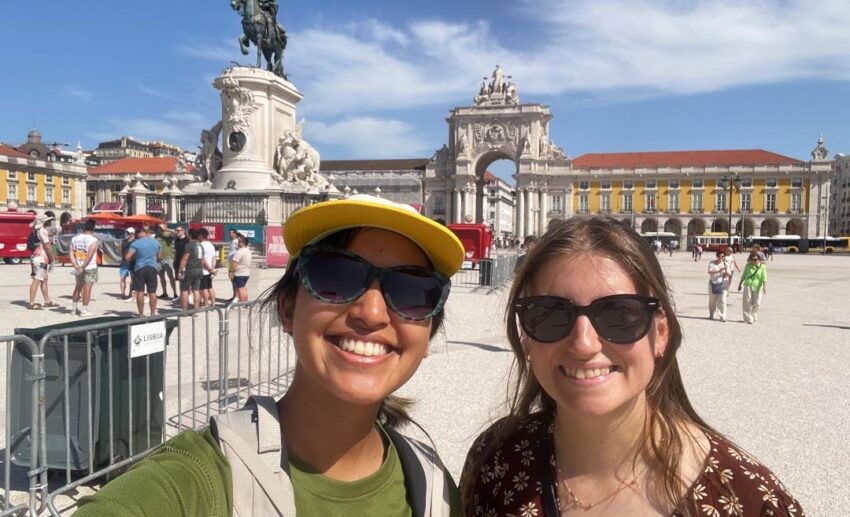
It seemed like everyone was wearing football jerseys, and shops had bundles of “Ronaldo” shirts hanging outside for sale. You could choose to watch the games on massive screens set up at Praça do Comércio, Lisbon’s grand riverside square, or at seemingly every eating establishment in the city.
I had never kept up with the World Cup before, but this summer was different. I have Lisbon to thank for the football fever it gave me.
A taste 0f Lisbon, from grilled sardines to pastel de nata
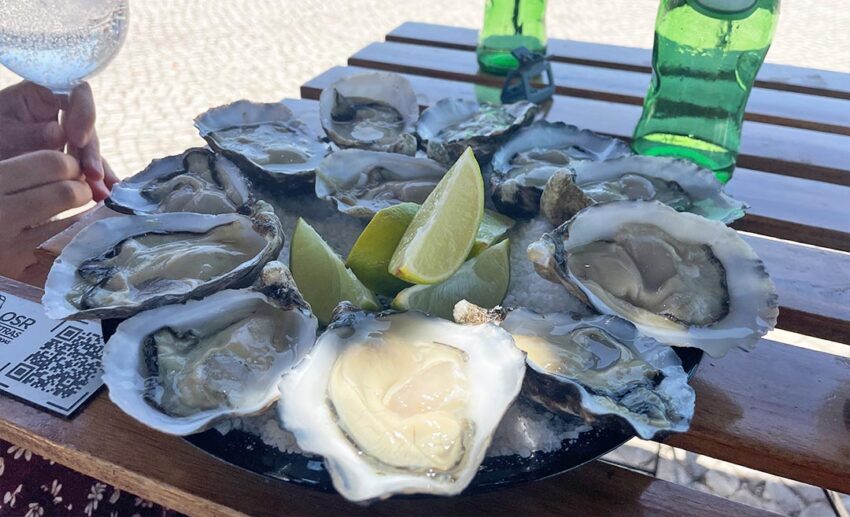
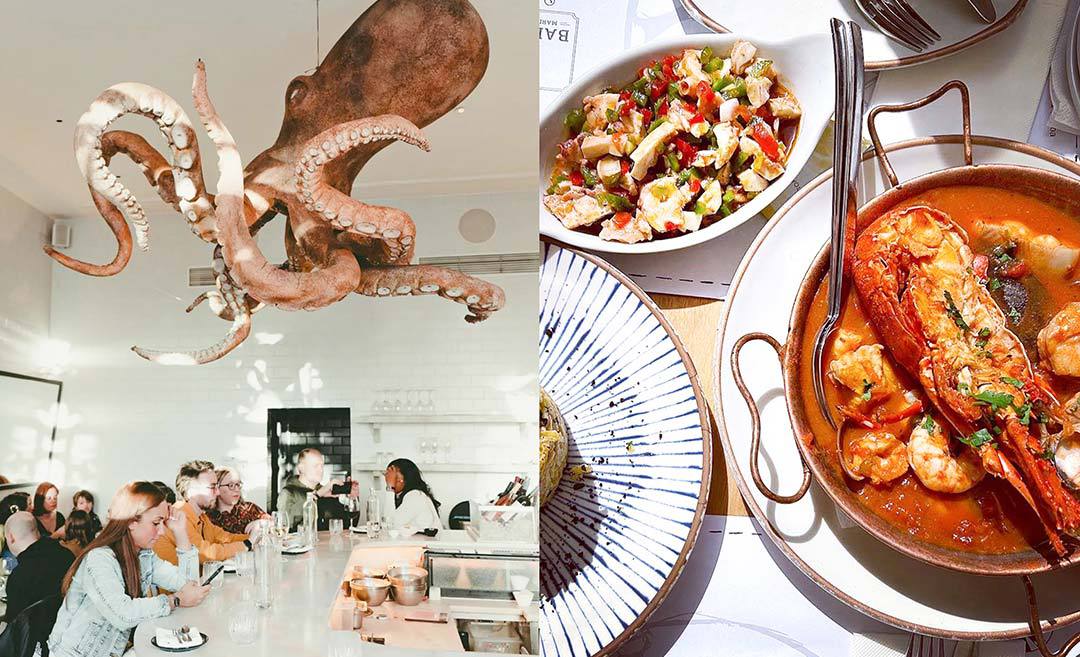
Margarida and I would watch matches, trying the local delicacies she ordered for me. For years, I have had people tell me how delicious Portuguese food was, and the reality did not disappoint my expectations. As a coastal country, Portugal has seafood deeply ingrained in its cuisine, and I was indulging in meals with fresh oysters, grilled squid, and octopus. Portuguese cuisine often celebrates fresh ingredients, olive oil, and simple seasonings that allow the quality of the produce and seafood to shine.
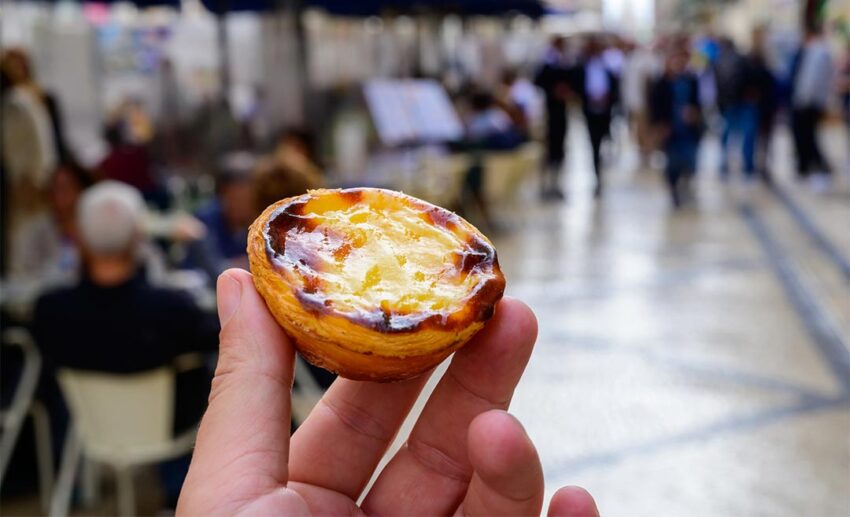
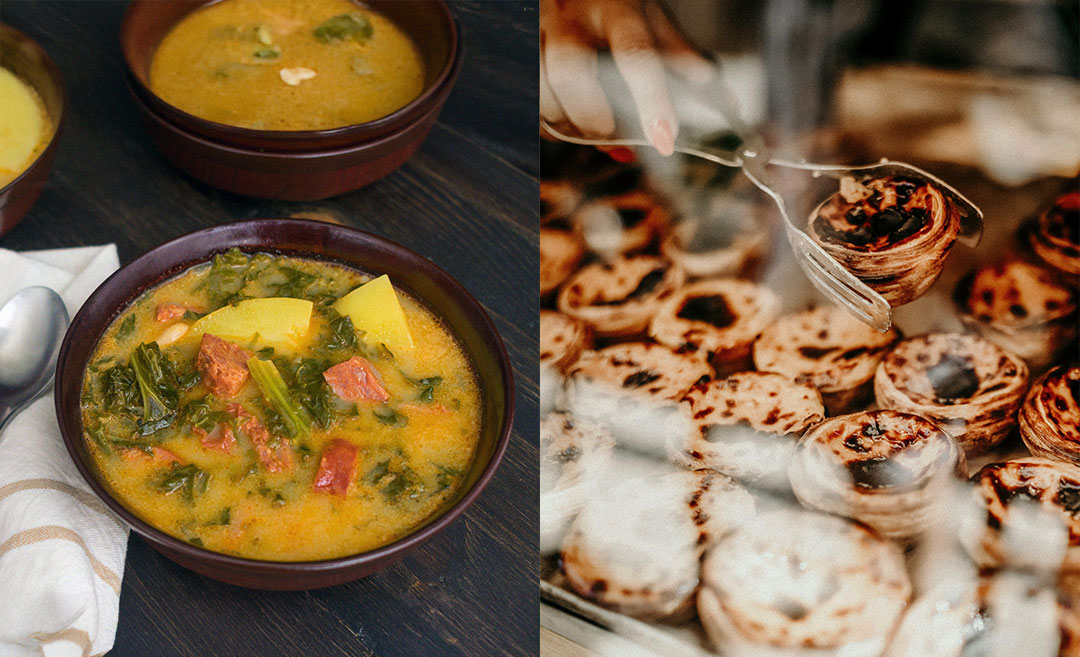
Of course, Margarida also showed me one of her favourite treats: pastel de nata, the Portuguese egg tart, paired with a strong espresso.
I never really enjoyed an egg tart before. “Too eggy,” I would think. But I had never had one in Portugal before. Eating a pastel de nata in Lisbon was an entirely different experience: warm, fragrant custard encased in crisp pastry. It became a habit to take a break from the day and eat one during my time there.
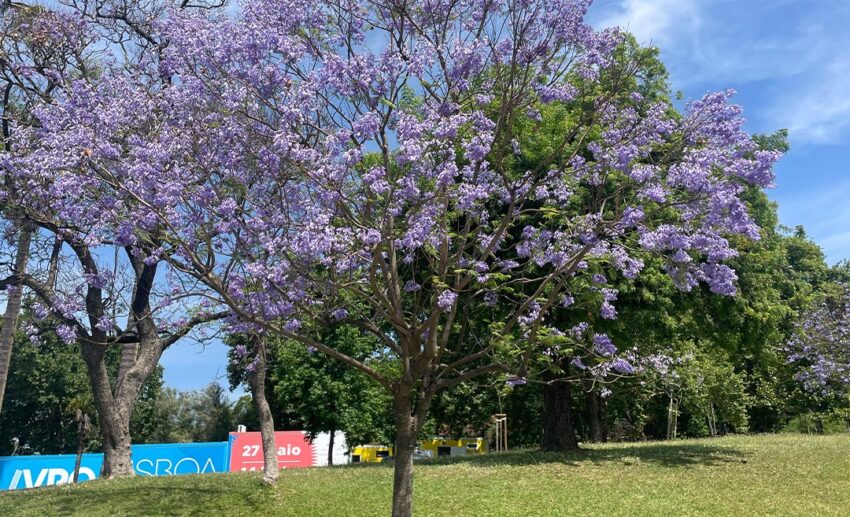
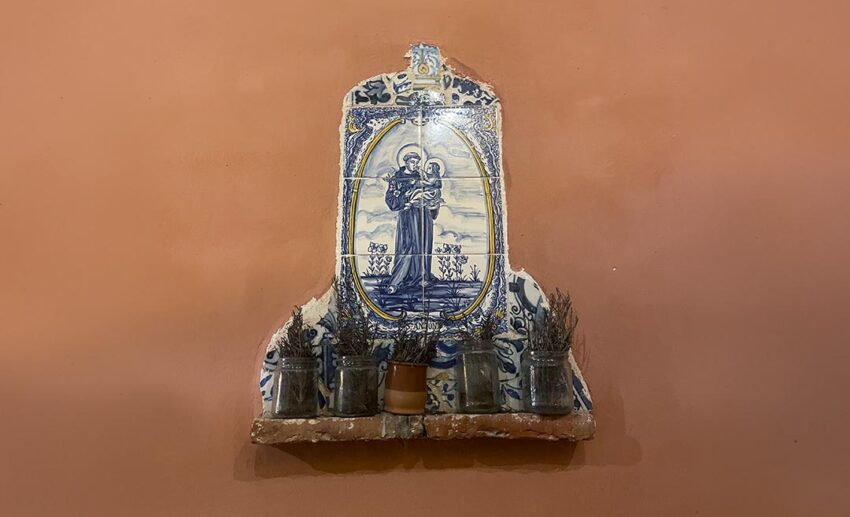
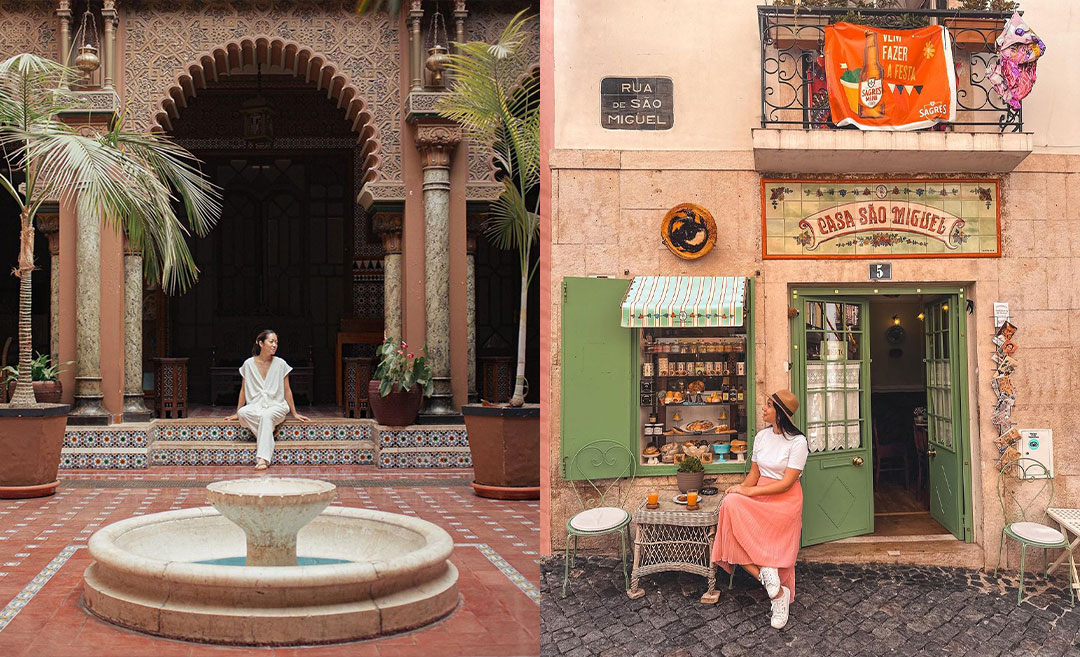
What a city Lisbon is. Purple jacaranda trees lined the streets, while pastel-coloured limestone buildings overlooked the Tagus River. With more than 3,000 years of history, traces of the city’s past could be seen everywhere — from patterned azulejo tiles and grand plazas to its winding cobbled streets.
Finding Lisbon’s character in its local shops and crafts
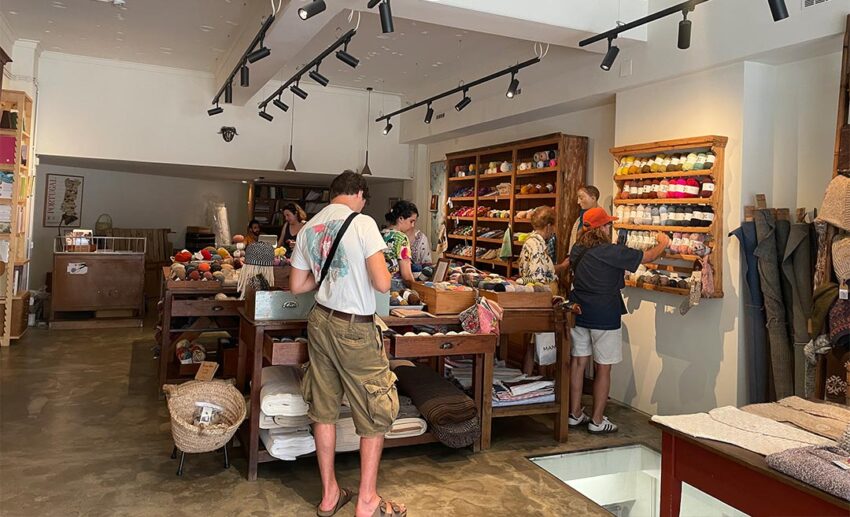
Margarida showed me some of her favourite local shops. There was Benamôr, the Lisbon beauty brand founded in 1925 and once loved by Queen Amélie of Portugal, which creates beautifully packaged hand creams, perfume, and balms with local-sourced ingredients like roses, lemons, and my beloved purple jacaranda.
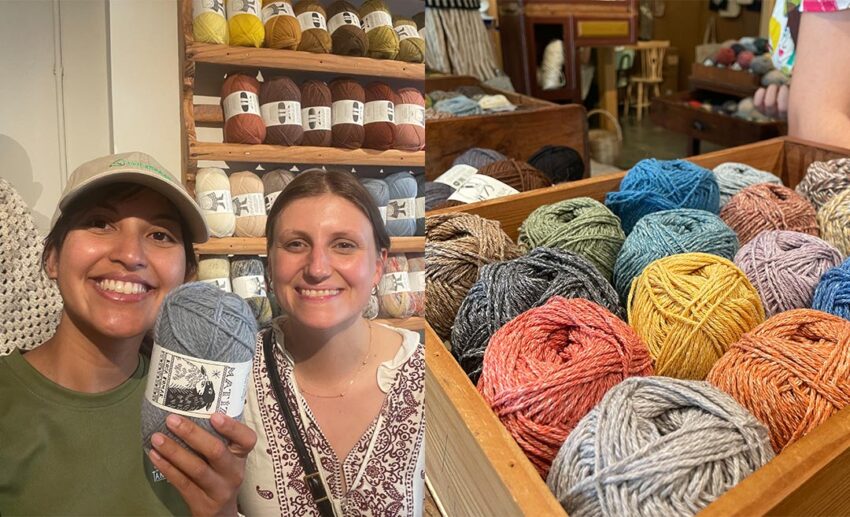
Because of our current crochet obsession, we sought out Retrosaria Rosa Pomar, a beautifully crafted store selling fine, locally made yarn and exquisite fabrics.
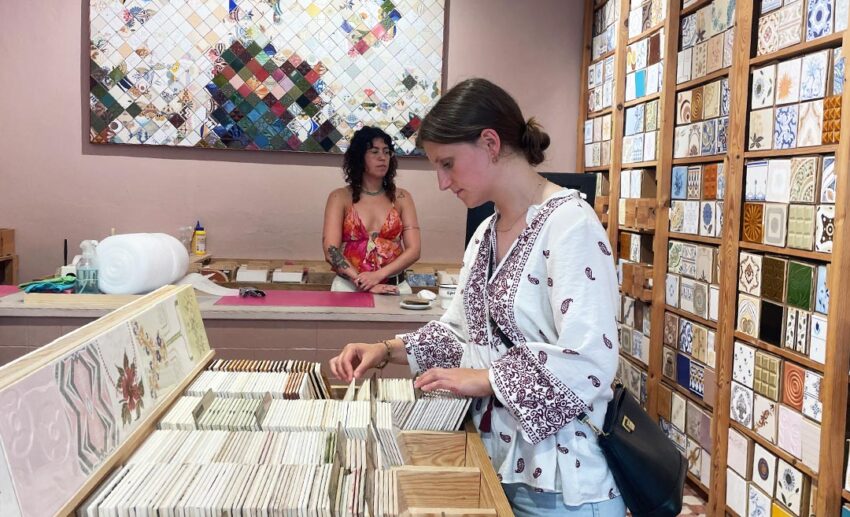
And because I loved the colourful patterned tiles covering the buildings of Lisbon, I was drawn into Cortiço e Netos while strolling past. The shop sells tiles that capture designs from the 1960s. With tile factories having shut down, the shop helps preserve these historically and culturally significant designs.
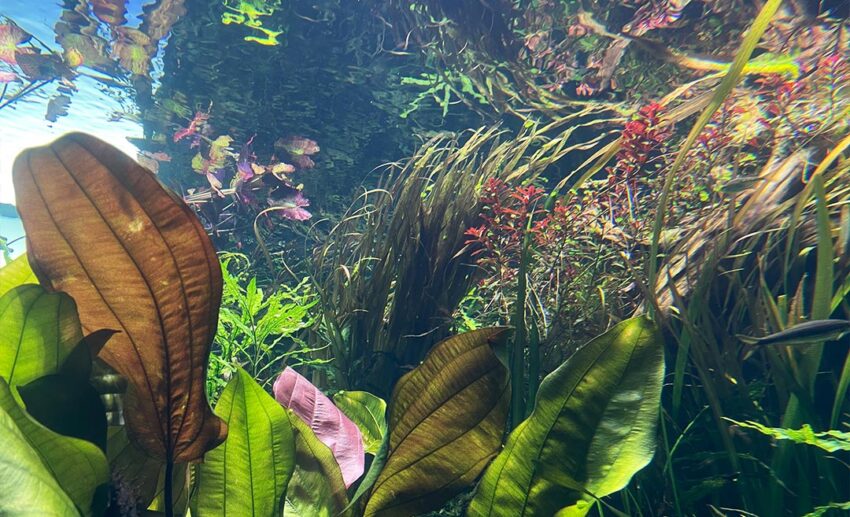

My short trip to Lisbon ended at Oceanário de Lisboa (Lisbon Oceanarium). I know an aquarium may be quite a touristy thing to do, but the site was truly amazing. The multi-storey aquarium is built around an enormous cylindrical tank filled with marine life, and it was mesmerising. I learnt about local creatures, as well as marine life from all over the world. It was the perfect way to wrap up my trip (and also a nice break from the city’s heat).
Those iconic yellow trams may dominate postcards and travel guides, but Lisbon’s true character shows itself in its neighbourhood festivals, family-run shops, local traditions, and shared meals. Experiencing the city through the eyes of a local transformed it from a beautiful destination into a place that felt genuinely lived in, remembered, and understood.
All photos are by and courtesy of the writer, Sofia Shamsunahar, unless otherwise stated.