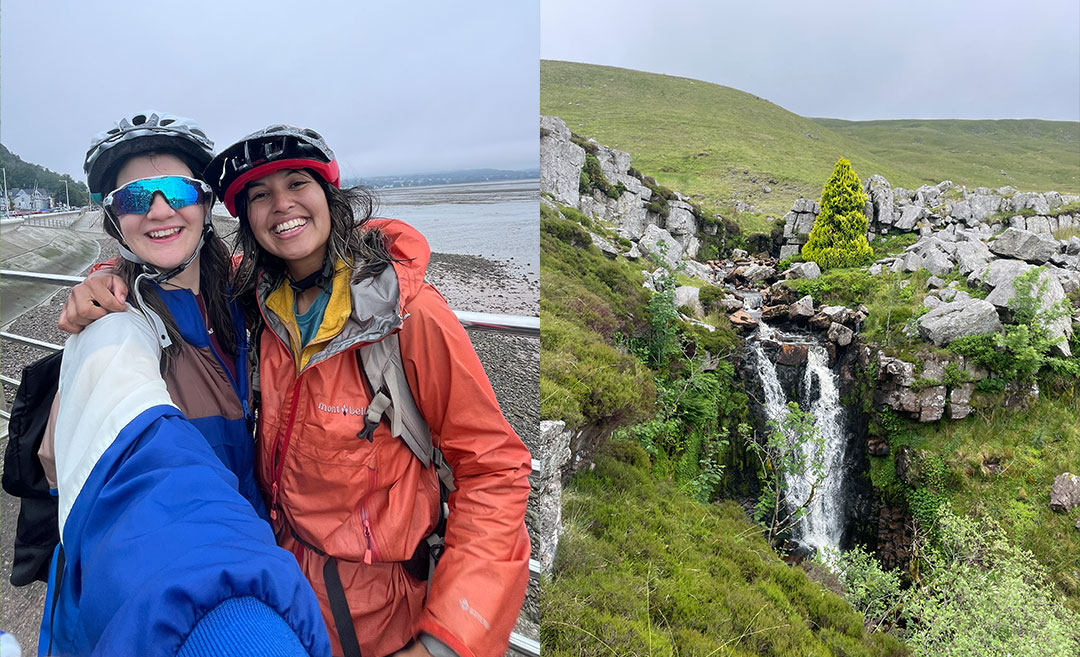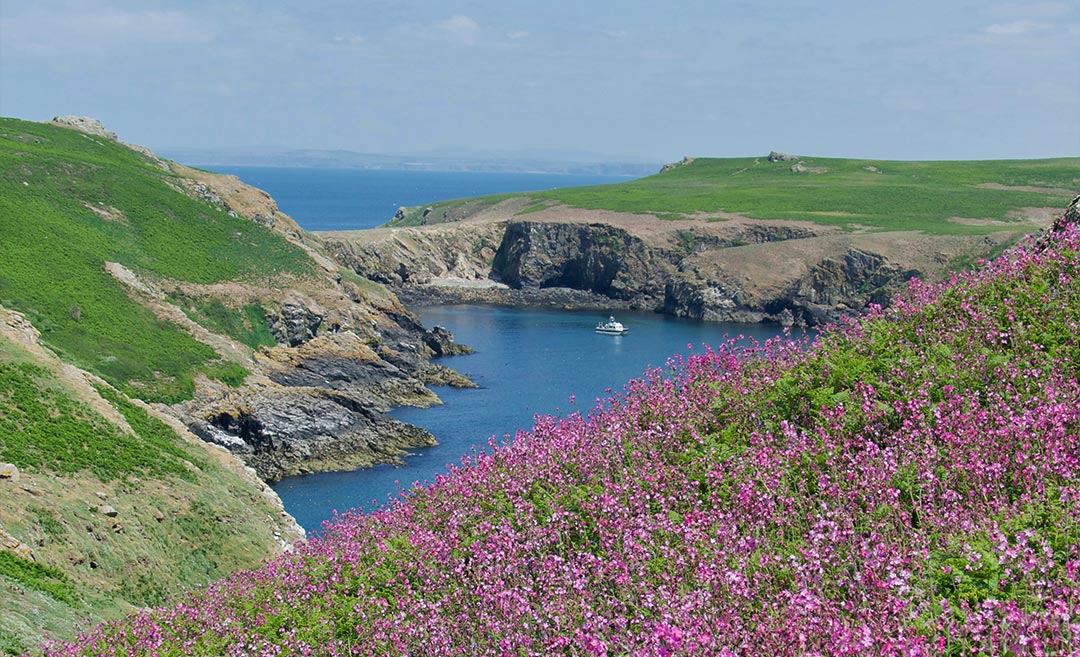
From puffin-filled islands to peaceful beaches, South Wales rewards travellers who slow down and embrace its wild coastal beauty. (Image by Terry Montague)
There’s something truly remarkable about the landscapes of South Wales. My journeys through this part of the UK have taken me across mountains, rivers, and coastlines, where rugged beauty seems to appear around every corner.
Despite travelling to many countries, there’s something about South Wales that I don’t often find elsewhere: a place where life is shaped so strongly by nature. From beaches with barely any development in sight to mountains and walking trails that invite exploration, the landscape has a way of making you slow down and simply take it in.
This summer, I found myself appreciating Wales more than ever. Perhaps it was the unusual spell of warm, dry weather, which transformed the landscape into rich colours, warmed the seas enough for swimming, and made long coastal hikes even more inviting. These are some of the quiet corners of South Wales that reminded me why this part of the world is worth taking your time to explore.
Skomer Island: South Wales’ wildlife haven
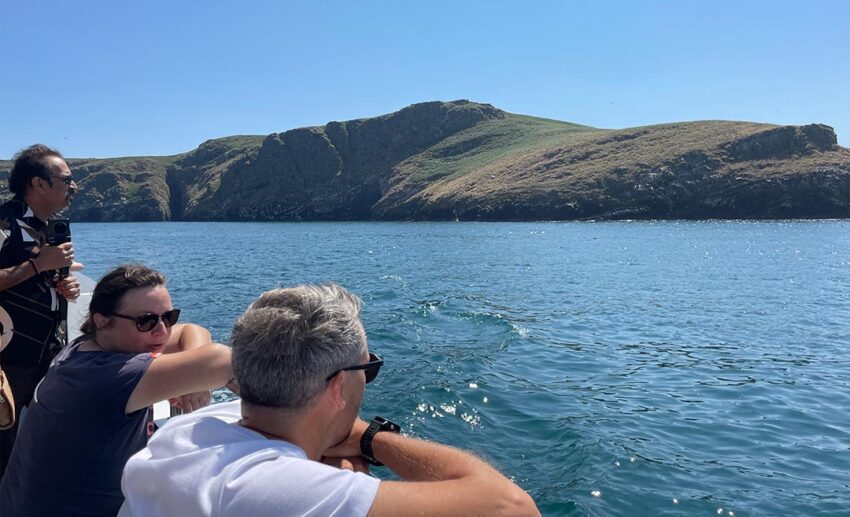
Skomer Island is a destination that leaves many in awe, pausing to realise how remarkable wildlife can be. The island sits just off the Pembrokeshire coastline and is home to thousands of seabirds, including the much sought-after puffin: the rare and much-loved seabird with striking black-and-white feathers and a comical, multi-coloured beak.
My 90-minute boat tour with Pembrokeshire Islands Boat Trips, tracing the coastline of Skomer and neighbouring Skokholm Island, reinforced my belief in how special and thriving Welsh nature is.
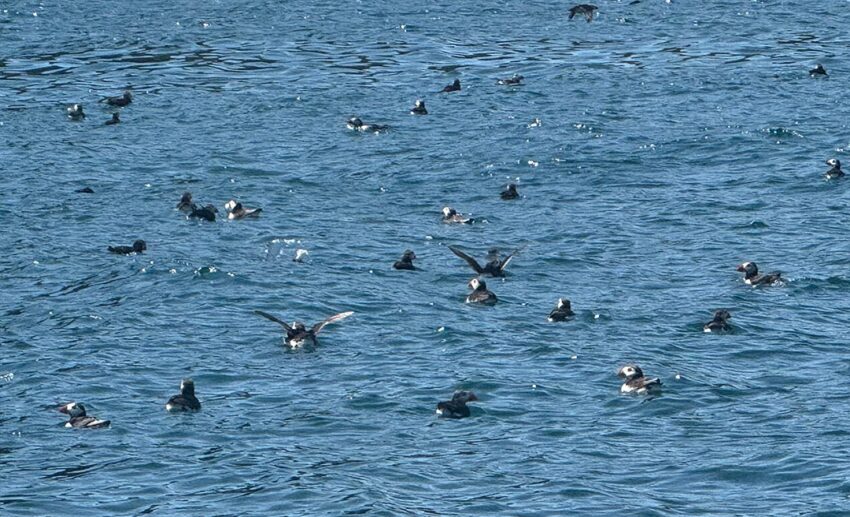
I have been on puffin-viewing boat trips before, leaving disappointed with no puffins in sight. However, the low expectations I had going into Skomer Island were quickly proven wrong.
The day I travelled was, according to the boat’s captain, blessed with perfect conditions: sunny, calm, and during puffin breeding season.
After a short 15-minute boat ride from the harbour, we reached the coastline of Skomer Island, surrounded by puffins. They flew through the air, their orange feet sticking out behind them, while others floated on the sea surface before diving beneath the waves to feed on sand eels. To see such an abundance of this rare bird was surreal, leaving me with a moment of pure nature’s magic.
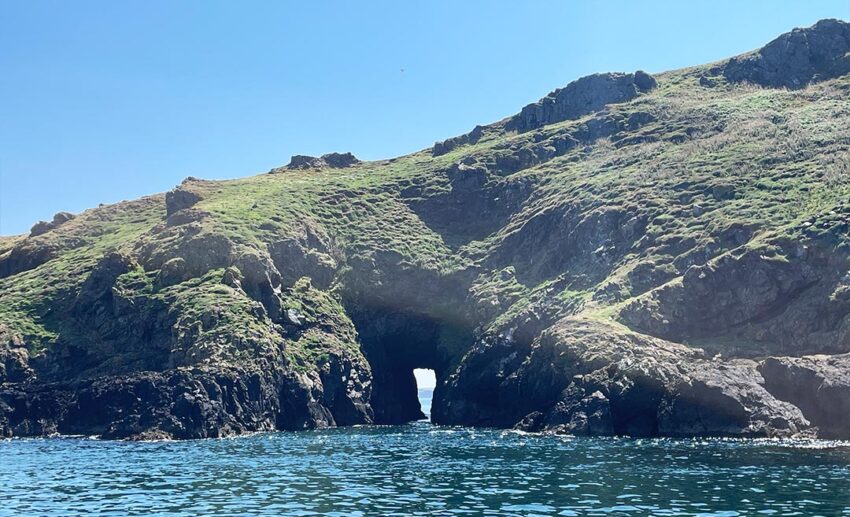
Skomer is not only home to puffins, but also adorable seals and other seabirds, including elegant razorbills and the famously swift peregrine falcons.
This quiet island, brimming with wildlife, makes you pause and feel completely awestruck.
✨ Skomer Island is one of the UK’s most important seabird breeding sites. Beyond puffins, the island is known for its conservation work protecting marine life and habitats, making a visit to this protected ecosystem about more than just spotting wildlife.
Newgale Beach: A relaxed surf spot on the Pembrokeshire Coast
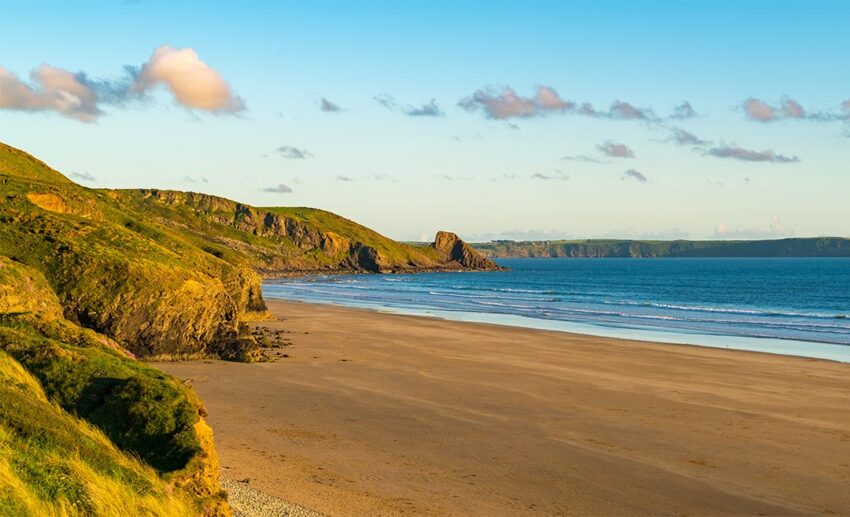
The fleeting moment of joy and excitement I felt while catching a wave at Newgale Beach made my visit one of my summer’s top memories. Newgale sits within the stunning Pembrokeshire Coast National Park.
The golden sandy beach stretches for two miles and is hugged by gently sloping grassy and rocky cliffs. A Blue Flag is proudly displayed at the bay, assuring visitors that the beach meets high standards for water quality and environmental management. Unlike many beautiful beaches around the world, what makes Newgale unique is its lack of development. Aside from a public bathroom, car park, and a few shops, the beach remains largely untouched and preserved. There are also a few campsites nearby, making Newgale a perfect stop on a Wales road trip.
✨ The Blue Flag is an international eco-certification awarded to beaches that meet strict standards for water quality, environmental management, safety, and accessibility.
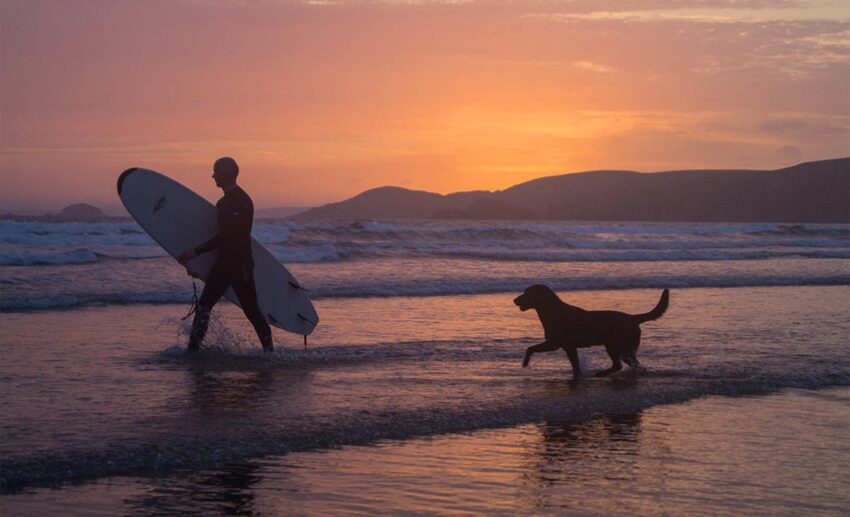
As a baby-wave surfer (the ultimate wave for beginners), Newgale Beach is a dream. The waves are friendly and gentle, helping you build confidence as a surfer before progressing to bigger waves. The soft golden sand stretches across the seemingly endless two-mile beach, with no rocks on the seabed, making for a kinder landing when you fall from your board. The water is also ideal for swimming, with gentle waves, a soft seabed, and a lifeguard on duty.
For those not interested in getting in the water, the beach is still a lovely place to spend the day, relaxing on the soft sand and natural pebbled dunes while pausing to appreciate its rugged beauty — a rarity to find these days.
Pobbles Bay: A quieter alternative to Three Cliffs Bay
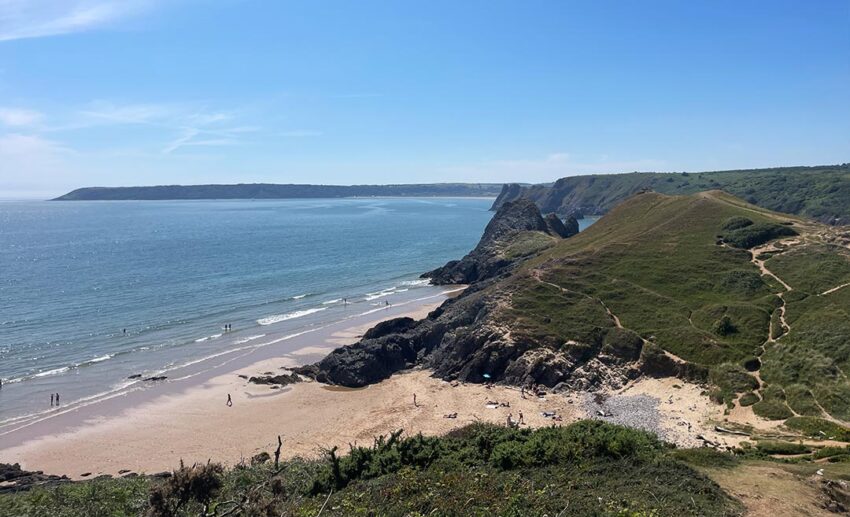
It’s remarkable to me that Pobbles Bay Beach is less well known than its neighbour, Three Cliffs Bay Beach.
The secluded golden-sand beach is nestled between dramatic rocky cliffs topped with wildflowers, with no development in sight.
You can reach the beach after a stunning hike along the cliff tops, where we spotted nesting red-billed choughs and hares frolicking among the coastal wildflowers. The abundant wildlife is set against a backdrop of endless sea stretching ahead.
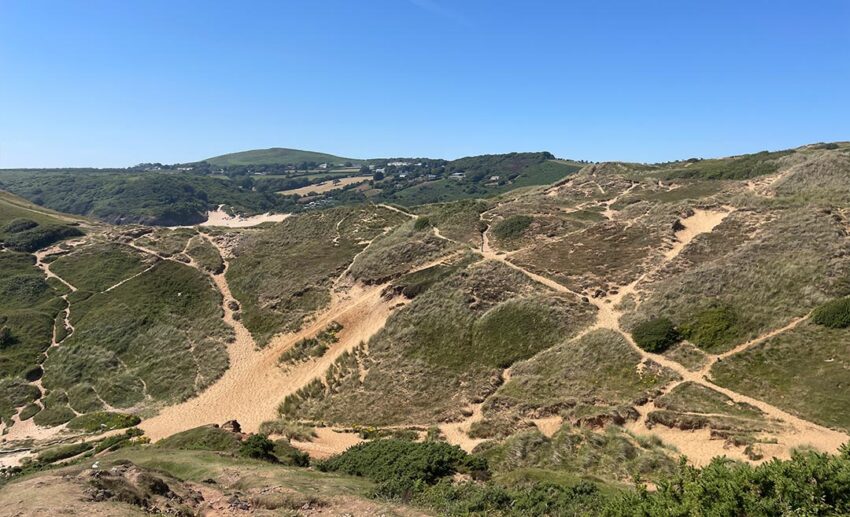
Compared to the tourist-filled Three Cliffs Bay Beach, this quieter corner of the Welsh coastline is a wonderful reminder to pause in life — whether that means exploring rock pools brimming with marine life, discovering caves along the shore, or simply splashing in the water with your dog at this dog-friendly beach.
✨ Pobbles Bay is part of the Gower Peninsula, the UK’s first designated Area of Outstanding Natural Beauty. Its protected landscapes make it an ideal place for travellers looking to experience Wales’ coastline at a slower pace.
South Wales’ rugged landscapes have a remarkable way of encouraging me to appreciate the natural world around me. Whether I’m watching puffins off Skomer Island, surfing gentle waves at Newgale, or wandering the quieter shores of Pobbles Bay, these peaceful corners remind me that some of the most memorable experiences come not from rushing between attractions, but from simply giving a place the time it deserves.
I hope that, when you visit South Wales, you’ll find yourself feeling the same sense of wonder — taking a moment to pause and notice the beauty in the landscapes and wildlife that make this part of the world so special.