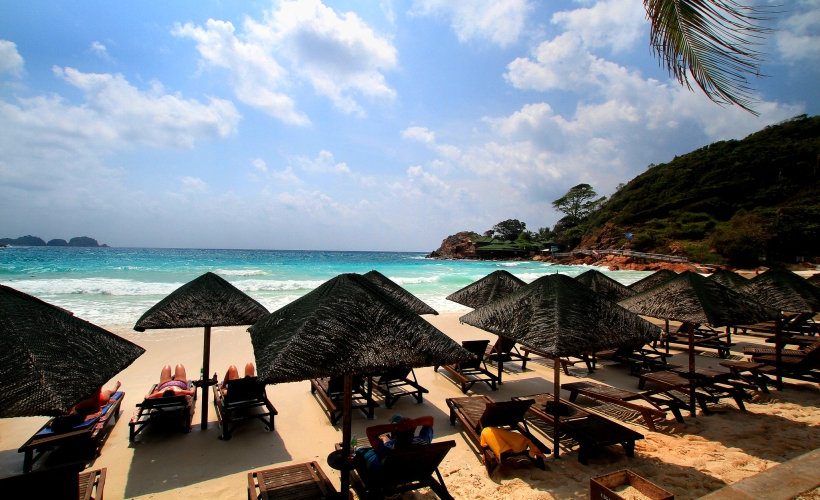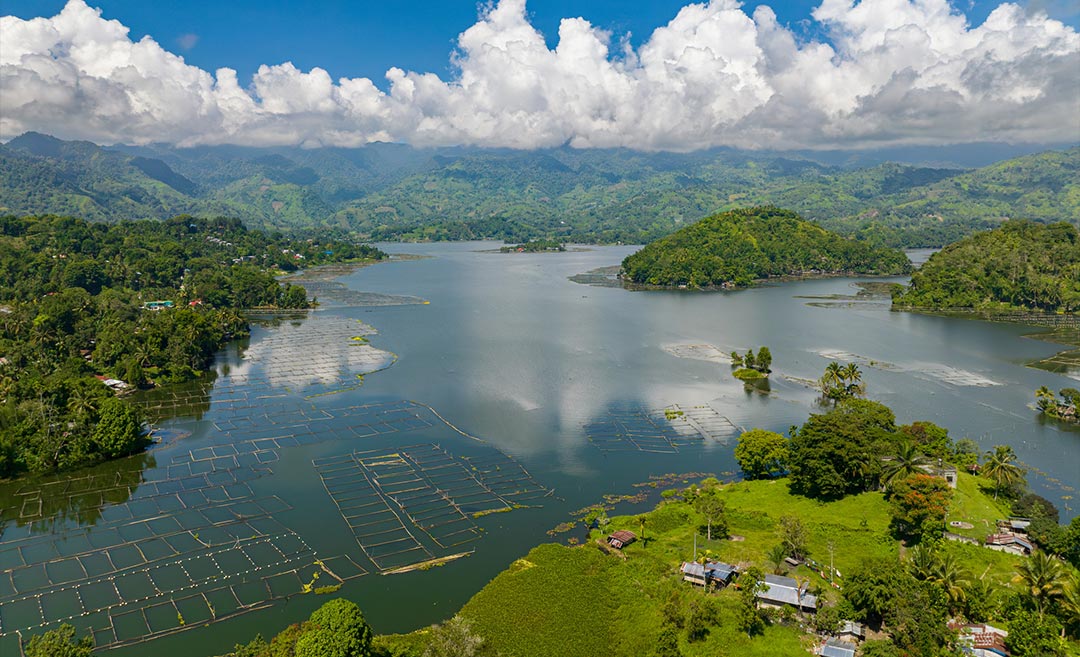
From misty mountain waters and ancient forests to Indigenous communities and recovering wetlands, these serene lakes in Southeast Asia offer plenty of reasons to slow down and stay awhile.(Image by MaryTravelerP)
There’s something about a lake that makes you want to linger. Perhaps it’s the stillness of the water, the way mist settles over the surface in the early morning, or simply the chance to swap busy streets and packed itineraries for a quieter view.
Across Southeast Asia, lakes offer far more than a pretty backdrop. Some are surrounded by ancient forests and limestone cliffs, while others are intertwined with Indigenous traditions, wildlife, conservation efforts, and centuries-old spiritual practices. And while a few have become well-known tourist stops, others still offer the kind of peaceful escape that makes you forget to check your phone.
Here are six serene lakes across Southeast Asia worth seeking out when you want a quieter travel experience, with nature, culture, and plenty of room to breathe.
Kayangan Lake, Philippines
The clear-water classic with a deeper story
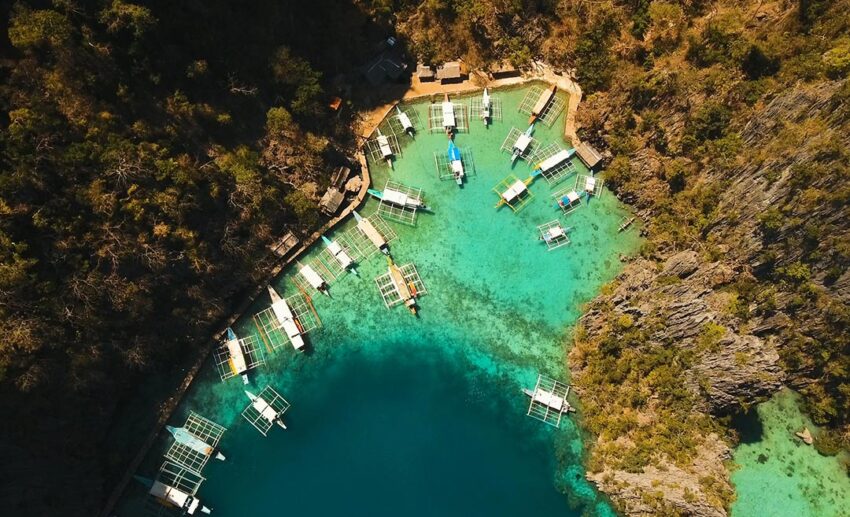
Located on Coron Island in Palawan, Kayangan Lake is one of the Philippines’ most recognisable natural attractions. Its exceptionally clear blue-green waters are framed by towering limestone formations, making the lake almost impossibly photogenic.
Getting there requires a climb up a steep set of stairs, but the effort comes with a spectacular viewpoint over the surrounding karst landscape before you descend towards the lake. Once there, visitors can swim in the clear, brackish water and take in the underwater rock formations.
Kayangan is also part of the ancestral domain of the Calamian Tagbanua, whose communities play an important role in managing and protecting the area. That makes the lake more than just another beautiful stop on a Coron island-hopping itinerary.
Lake Sebu, Philippines
Misty mornings and T’boli culture
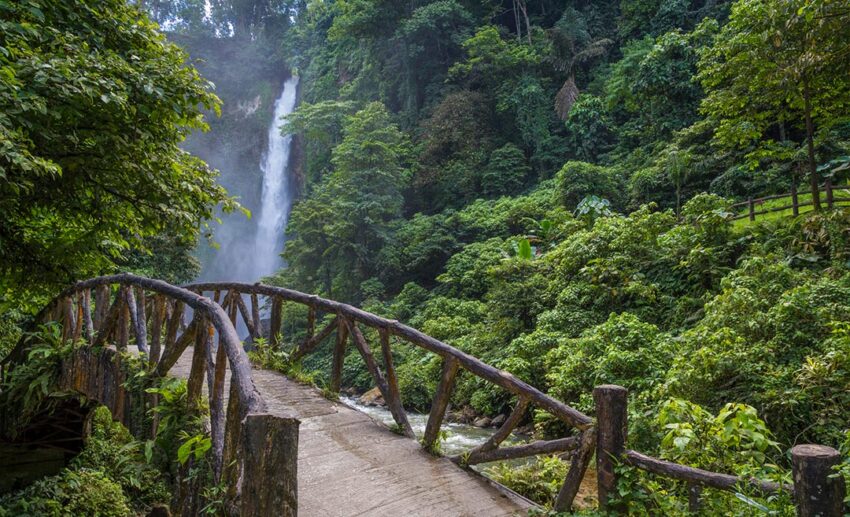
In the cool highlands of South Cotabato, Lake Sebu offers a very different kind of lake escape. Surrounded by forested hills and often wrapped in morning mist, the lake is closely intertwined with the culture and traditions of the Indigenous T’boli people
A boat ride across the lake is one of the simplest ways to take in the scenery, while the nearby Seven Falls provides a more adventurous option. You can also explore T’boli cultural centres, where traditional crafts such as T’nalak weaving and brass-making continue to be practised and passed down through generations.
The area brings together nature and culture in a way that makes it worth spending more than a few hours here. Beyond taking in the scenery, visitors can learn about the community and support local artisans and tourism initiatives.
For travellers who like their escapes with a little substance, Lake Sebu offers plenty to discover without losing the sense of being somewhere removed from the everyday. It is the kind of place where a peaceful lake escape can also become a lesson in living heritage.
Ba Be Lake, Vietnam
A quiet mountain lake framed by limestone and forest
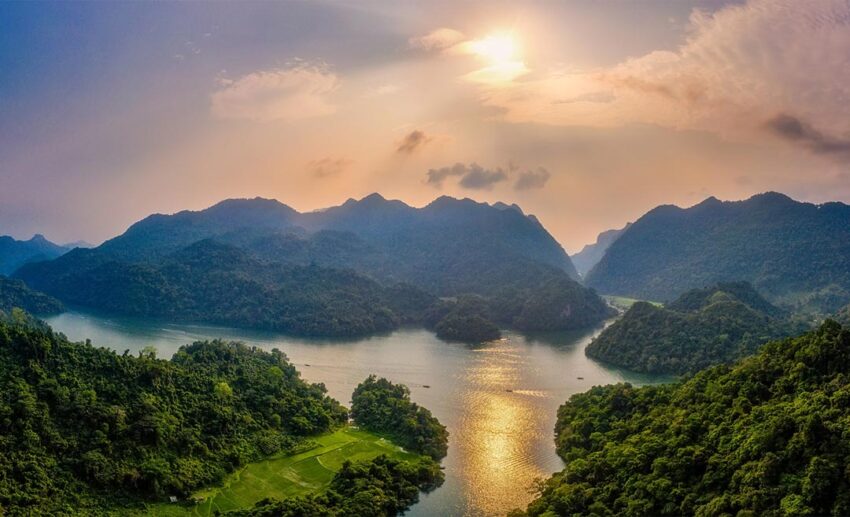
In northeastern Vietnam, Ba Be Lake sits within the forested landscape of Ba Be National Park, surrounded by limestone mountains, caves, waterfalls, and villages. It is Vietnam’s largest natural freshwater lake and is actually made up of three interconnected sections — Pe Lam, Pe Lu, and Pe Leng — which is where the name “Ba Be”, meaning “Three Lakes”, comes from.
The lake and surrounding national park are best explored at a leisurely pace. Boat trips allow visitors to take in the scenery from the water, while trails lead through the forest and surrounding villages. The park is also recognised for its rich biodiversity, including rare plants and wildlife, making it a natural fit for travellers who want more than a scenic lake view.
One of the area’s best-known natural attractions is Puong Cave, through which the Nang River flows. Further downstream, the river passes through the rocky cascades of Dau Dang Waterfall before continuing towards the lake. The Fairy Pond, another popular stop, is a small natural pool surrounded by limestone.
Local folklore also gives the landscape an extra layer of intrigue. According to one Tay legend, the lake was created by a great flood after villagers ignored warnings from an old woman who was actually a fairy in disguise. A widow and her son, who had shown the woman kindness, survived the disaster.
Whether or not you believe the legend, the real attraction is the chance to spend time among the mountains, forest, and water at a considerably gentler pace.
Lake Chini, Malaysia
A mystical lake on the road to recovery
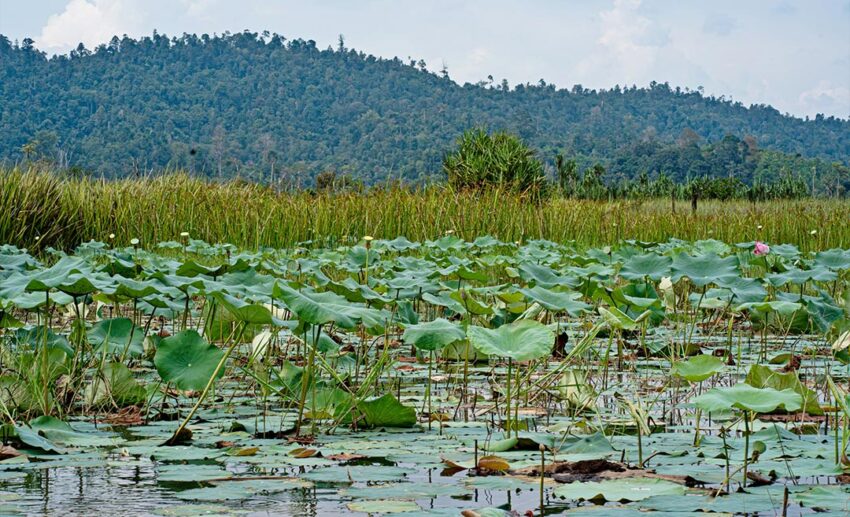
Malaysia’s Tasik Chini in Pahang has long been wrapped in legend. Local stories tell of Naga Sri Gumum, a mythical dragon-like creature said to inhabit the lake, while generations of stories have given the landscape an air of mystery.
But these days, the lake’s most important story is a very real one: conservation.
Tasik Chini became Malaysia’s first UNESCO Biosphere Reserve in 2009, and its wetland ecosystem supports significant biodiversity as well as the Orang Asli communities who live around the lake. In recent years, restoration efforts have included river cleaning, reforestation, slope stabilisation, water-quality monitoring, and the rehabilitation of flora and fauna.
The lake is accessible to visitors, with activities including boat trips, kayaking, fishing, and visits to nearby Orang Asli villages. Boat trips can take you around the lake’s network of smaller bodies of water, while the surrounding area offers opportunities to learn more about the ecosystem and local communities.
If you visit, think beyond the old “mysterious hidden lake” narrative. Tasik Chini is a living ecosystem that is still recovering, and responsible tourism is part of ensuring it remains a place where nature and local communities can continue to thrive.
Tasek Bera, Malaysia
A wetland escape for wildlife and quiet
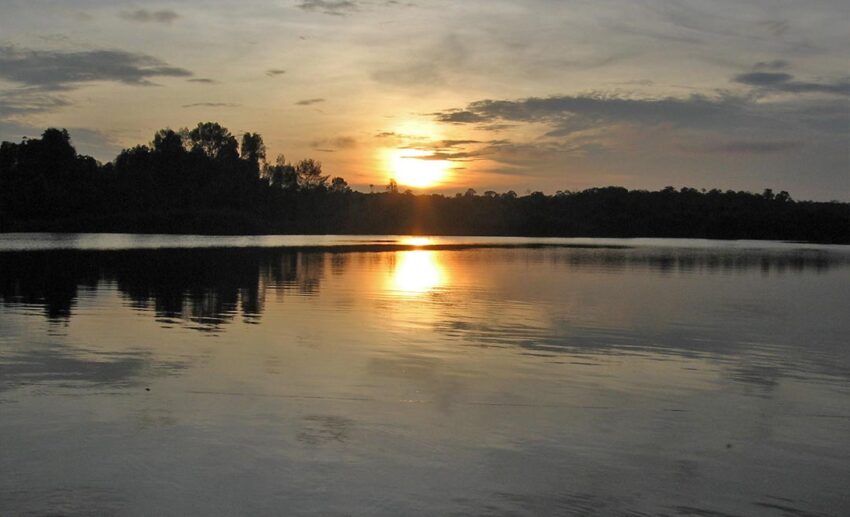
Not far from Tasik Chini, Tasek Bera offers another reason to explore Pahang’s quieter side. Malaysia’s largest natural freshwater lake and its first Ramsar site, it is a sprawling landscape of waterways, forest, and wetland vegetation that provides an important habitat for wildlife.
The lake is particularly appealing to travellers who prefer observing nature to rushing from one attraction to another. Birdwatching, boat trips, trekking, and exploring the surrounding wetland are among the experiences associated with the area, while the Semelai Orang Asli community has long had a close relationship with the lake and its resources.
Tasek Bera also has a new chapter in its tourism story. After being closed to the public for around a decade, the lake reopened to visitors in February 2026. Its return, however, comes alongside renewed calls for stronger scientific and community-based monitoring to protect the wetland from pollution and development.
That makes this a destination to approach with a little care. Facilities and visitor experiences may continue to evolve, but for travellers looking for somewhere less polished and more immersed in nature, that can be part of the appeal. The reward is a slower experience in one of Malaysia’s most important wetland landscapes.
Lake Tamblingan, Indonesia
Bali’s sacred lake away from the crowds
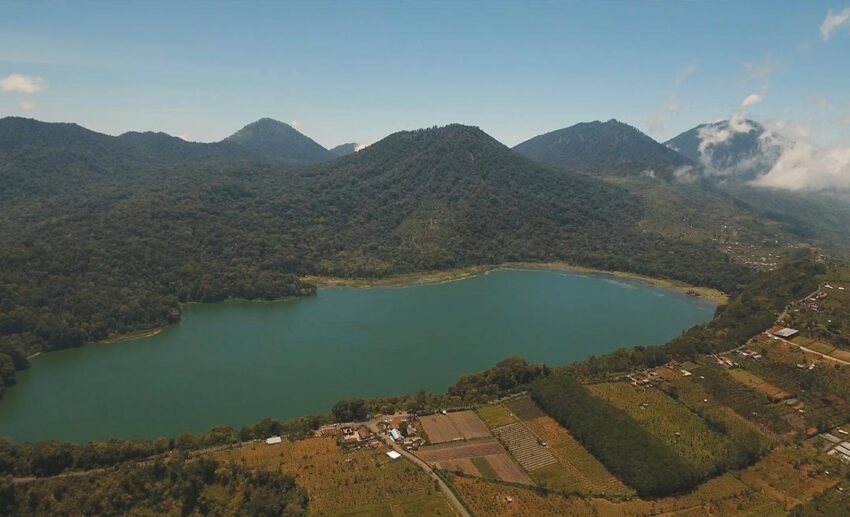
If Bali’s famous beaches and bustling resort towns aren’t quite your idea of a peaceful escape, head into the island’s cooler northern highlands.
Lake Tamblingan sits in a lush volcanic landscape alongside its better-known neighbours, Lake Buyan and Lake Bratan. Surrounded by dense forest and misty hills, it has a distinctly quieter atmosphere than many of Bali’s more heavily visited natural attractions. Indonesia’s tourism authority continues to highlight Tamblingan for its misty waters, forested setting, trekking trails, and kayaking.
The lake is also closely connected to Balinese Hindu culture. Small temples and shrines can be found around its shores and in the surrounding forest, including Ulun Danu Tamblingan Temple. The area also contains archaeological evidence associated with the ancient Tamblingan community, giving the landscape a cultural history that stretches back centuries.
Rather than treating Tamblingan as a quick photo stop, spend some time exploring the surrounding trails, taking a traditional boat or kayak onto the water, or simply sitting beside the lake and watching the mist move across the surface.
For a destination on an island that can sometimes feel overrun with visitors, Tamblingan offers something increasingly precious: room to breathe.
Editor’s Note: Originally written and published by Traveloka in 2018, this story has been updated by Zafigo’s editorial team in September 2026 with refreshed destination information and current travel considerations.